
Pepper Guru Community
GROW. SHARE. CONNECT.
Where pepper growers come together to share their grows, trade knowledge, ask questions, and explore everything Capsicum. Come grow with us.


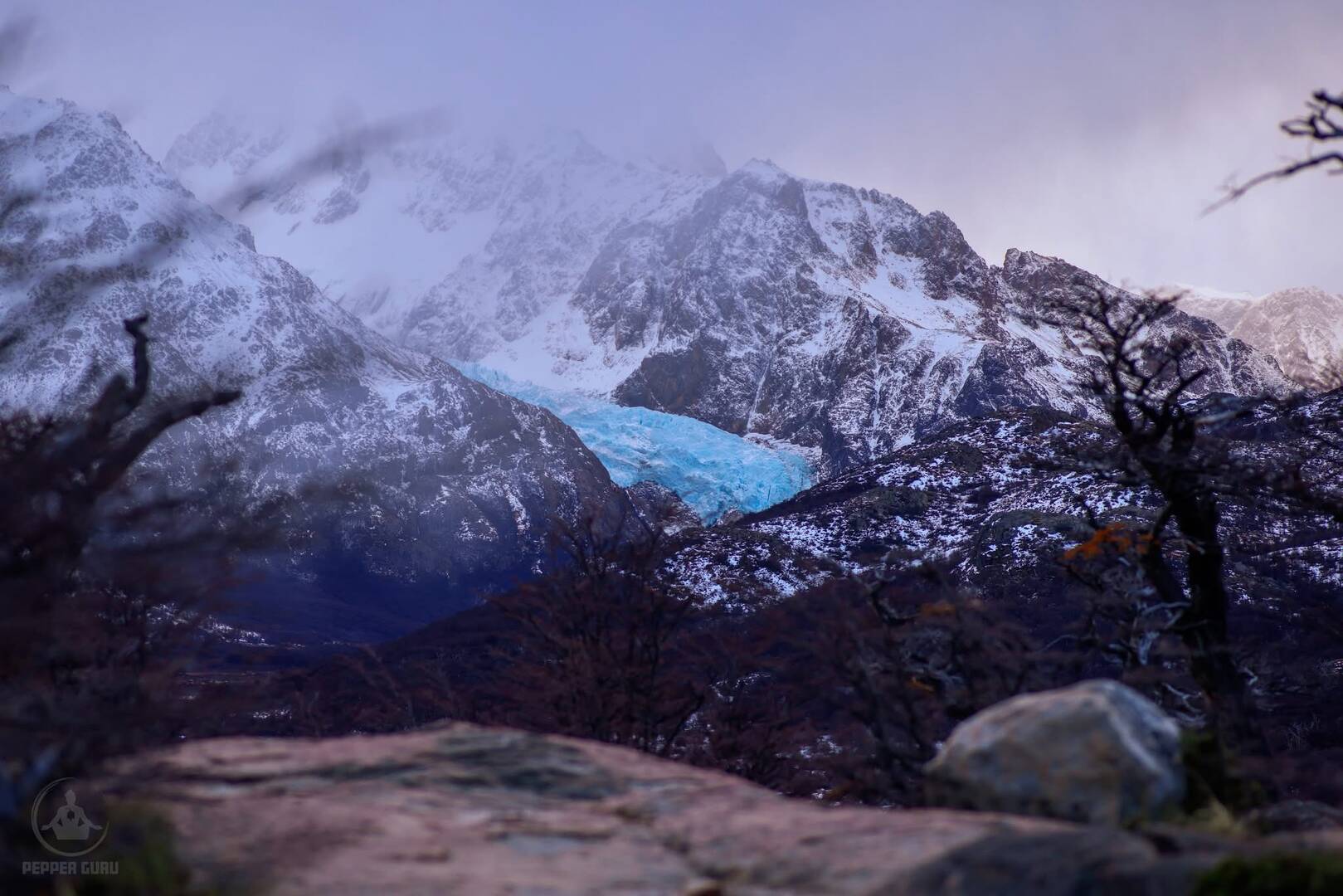
Even at 49° south, in El Chaltén, Argentina—where glaciers creep through icy gorges beneath the towering peaks of Patagonia—you can still find peppers.
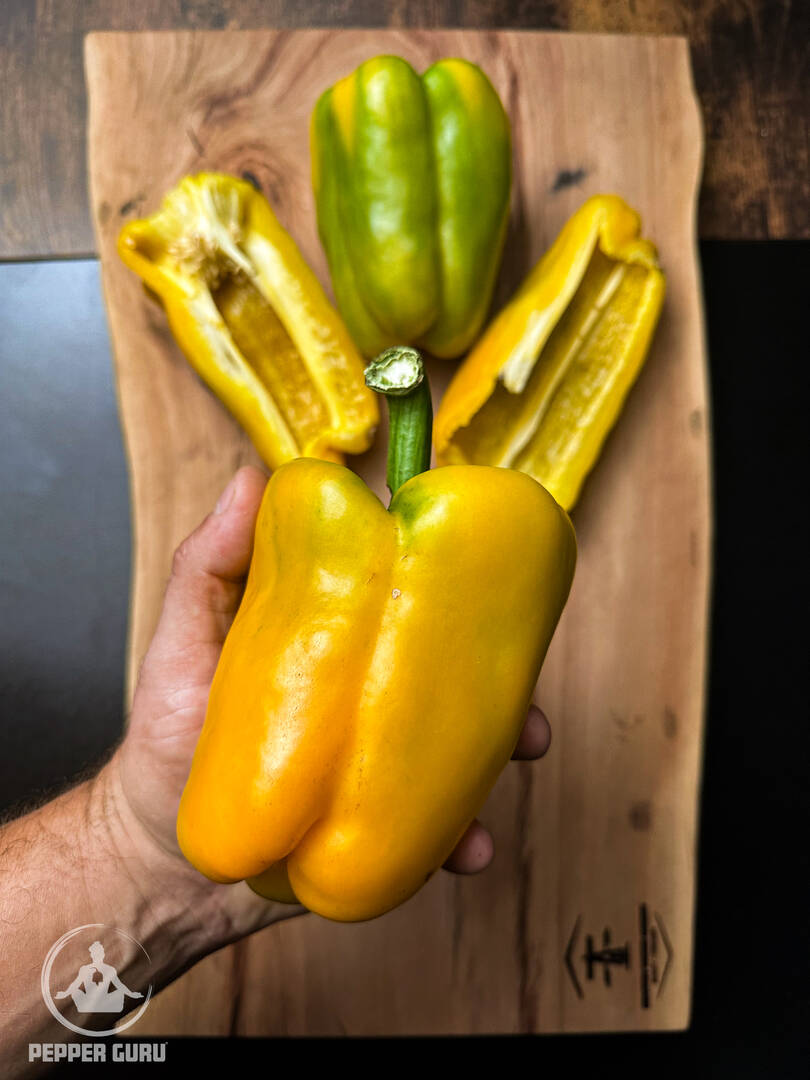
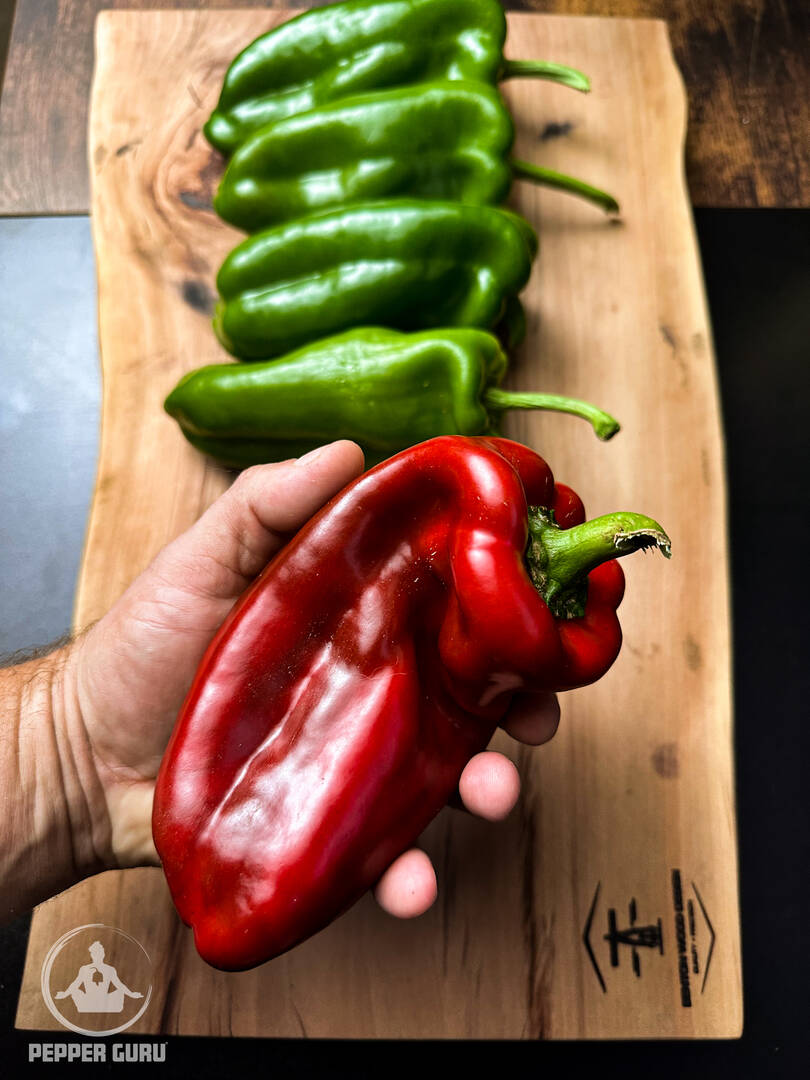
We came across these Morrón Rojo and Morrón Amarillo during our time hiking and trout fishing around Fitz Roy and Los Glaciares National Park.
No matter how far south you go, somehow there are always peppers.
🎥 NEW PEPPER GURU VIDEO
MORE N = MORE FLOWERS 🌶️
Beetlejuice
🎥 NEW PEPPER GURU VIDEO
I’m freaking out! Everything they said about growing peppers was a lie! 🤣 #peppers #gardeninghacks
🎥 NEW PEPPER GURU VIDEO
“Boombastic” from Mr Lova Lova Bryan Townshend @williamtownshend308 Another beautiful pepper!
🎥 NEW PEPPER GURU VIDEO
This Pepper Is So Crazy People Think It’s AI 🌶️
🎥 NEW PEPPER GURU VIDEO
Hunting Peppers in Mercado Modelo in Piura, Peru
🎥 NEW PEPPER GURU VIDEO
Hunting Peppers in Mercado Modelo in Piura Peru - Live Highlight
🎥 NEW PEPPER GURU VIDEO
Hunting Peppers in Mercado Modelo in Piura, Peru
🎥 NEW PEPPER GURU VIDEO
Hunting Peppers in Mercado Modelo in Piura Peru - Live Highlight
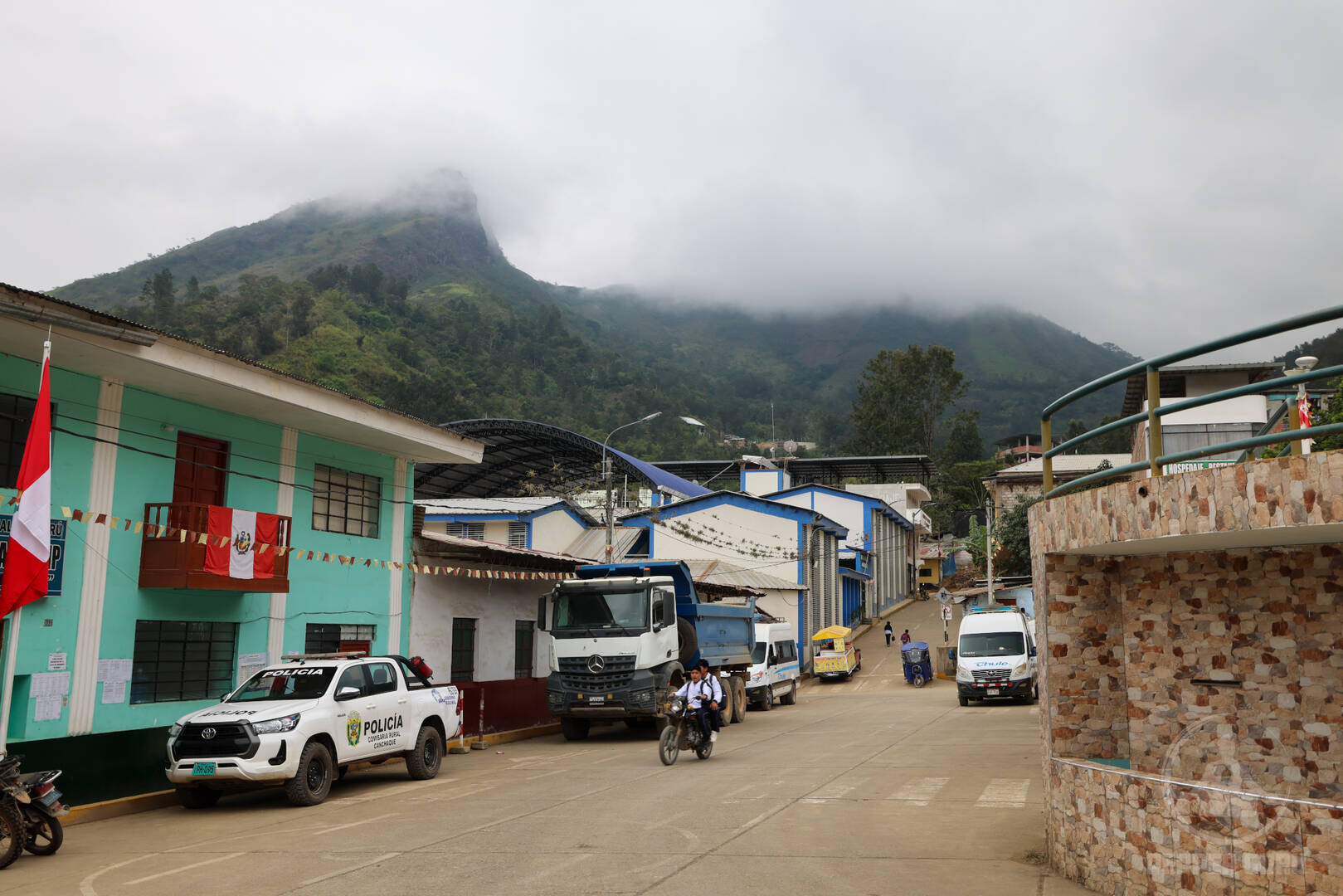
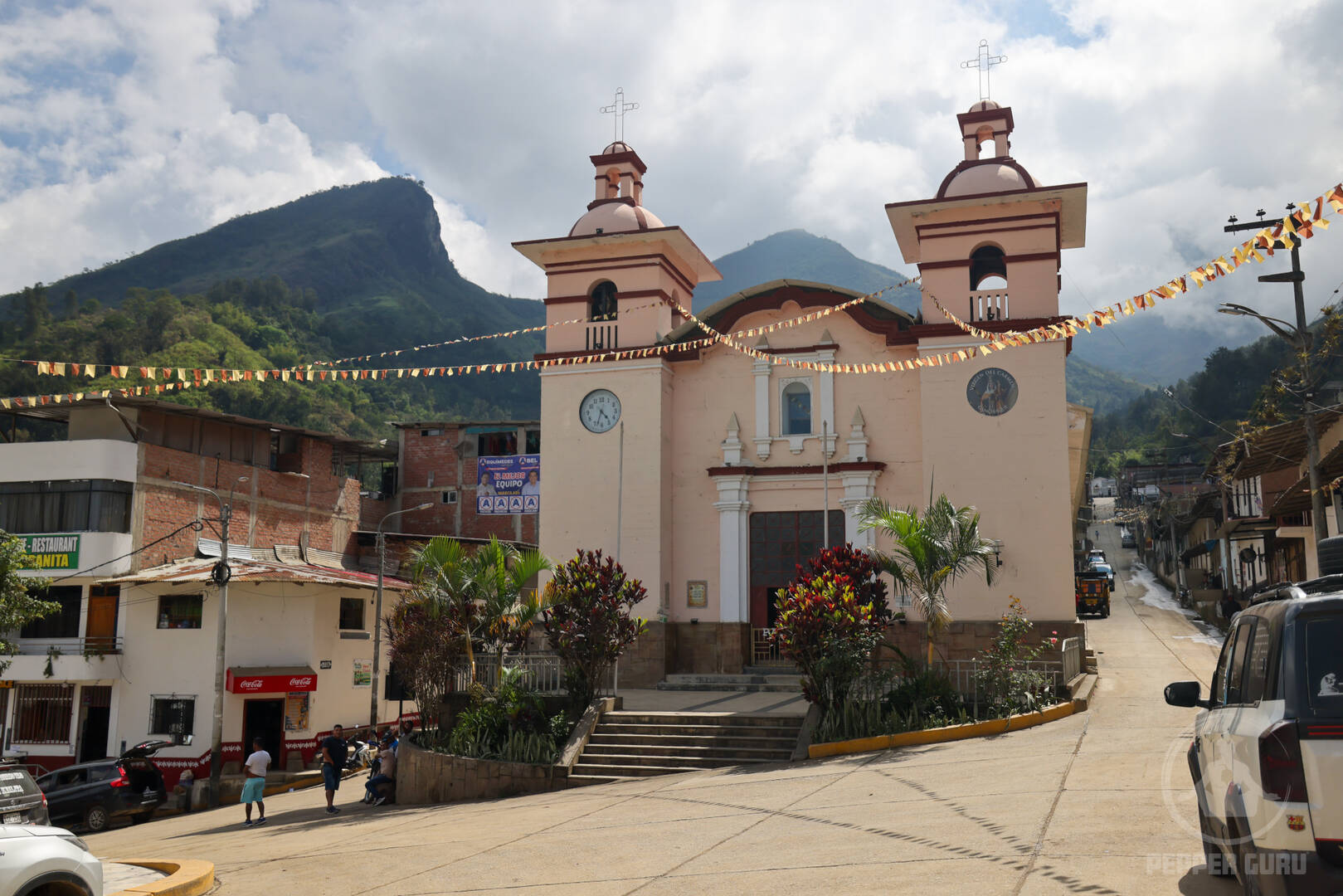
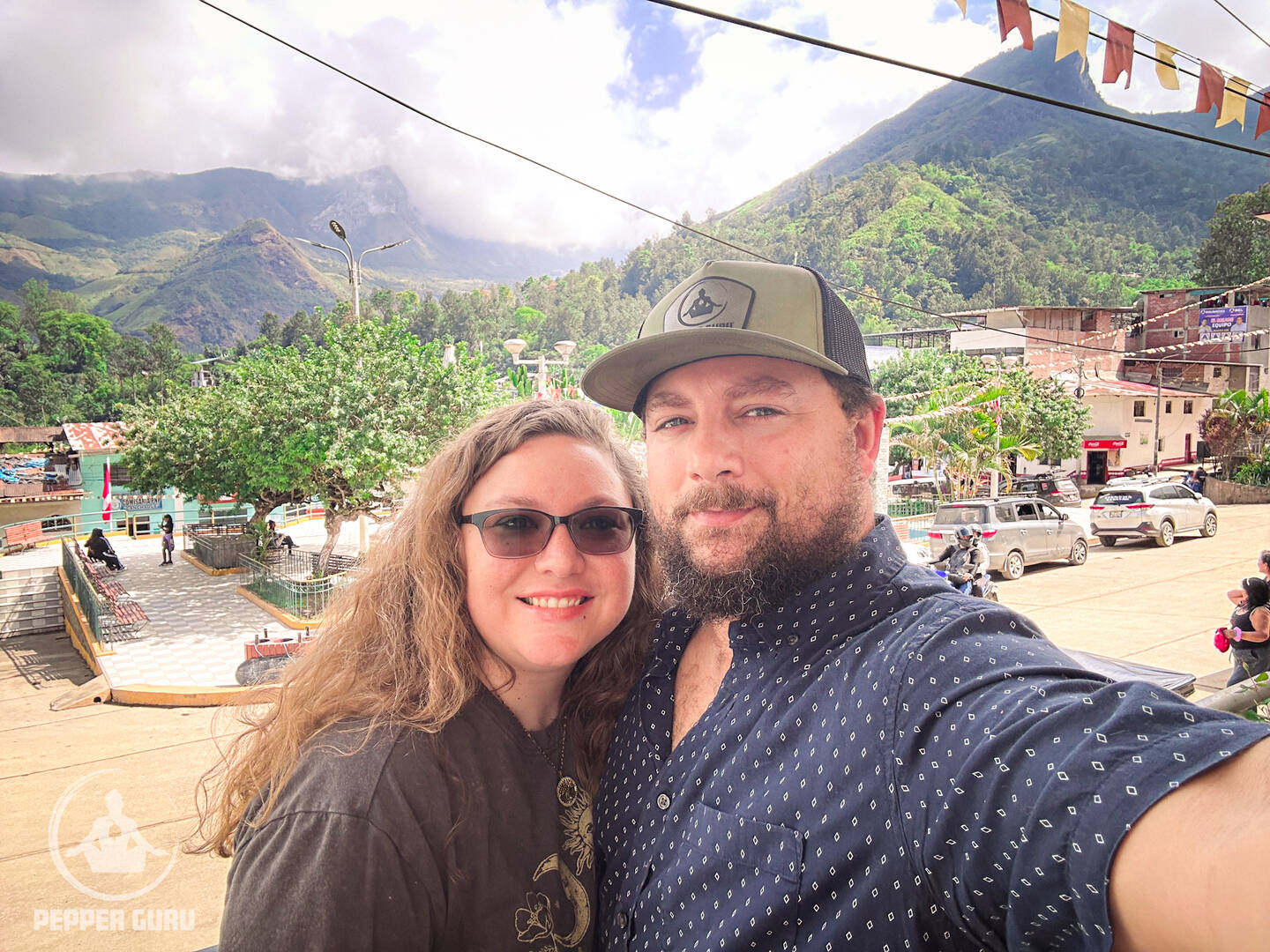
Three hours east of Piura lies a town cloaked in mist: Canchaque.
It serves as a gateway to the cloud-covered peaks above and the winding road toward Huancabamba. Somewhere along that road, between roughly 2,300 and 2,800 meters, grows one of the peppers we came to Peru to find:
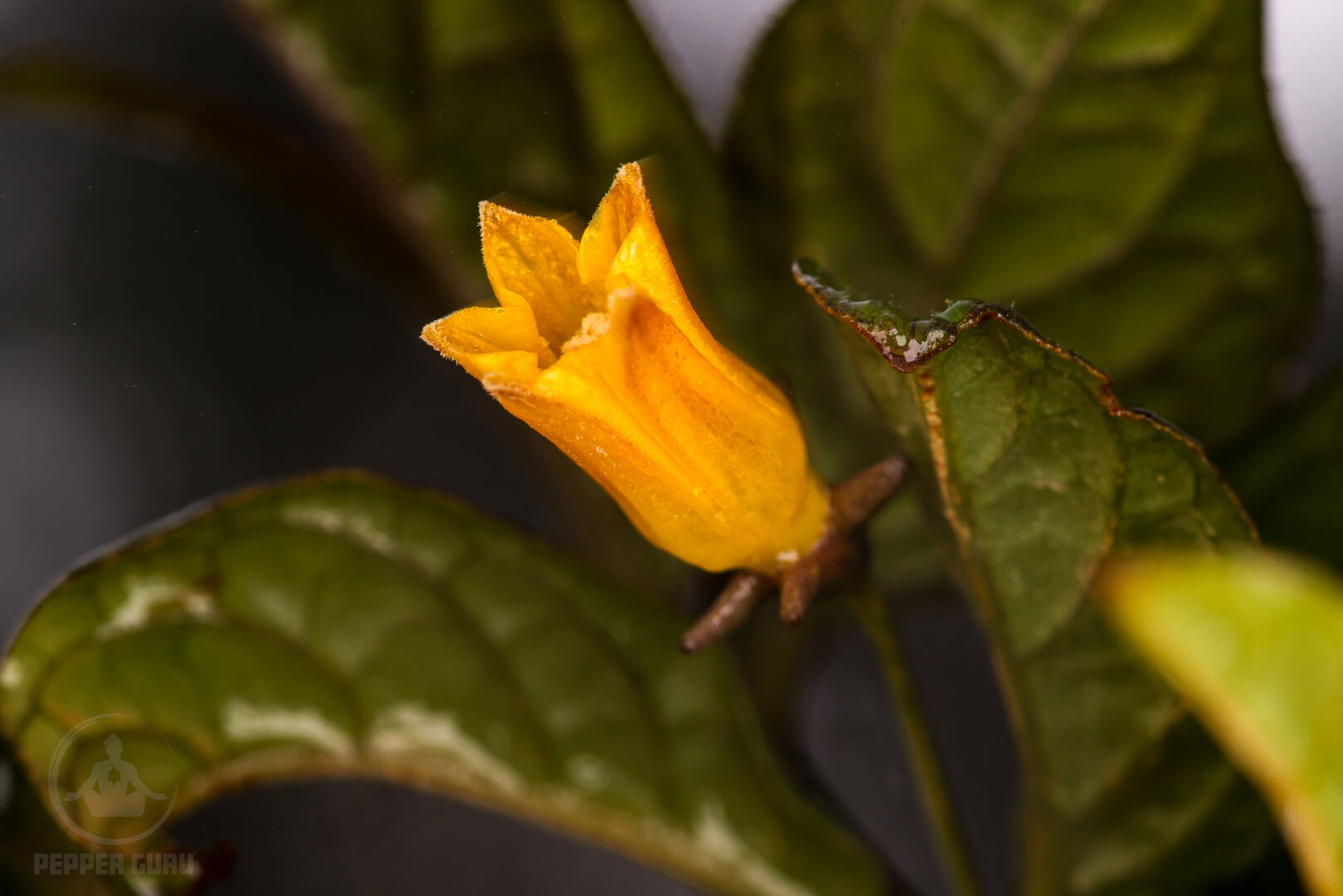
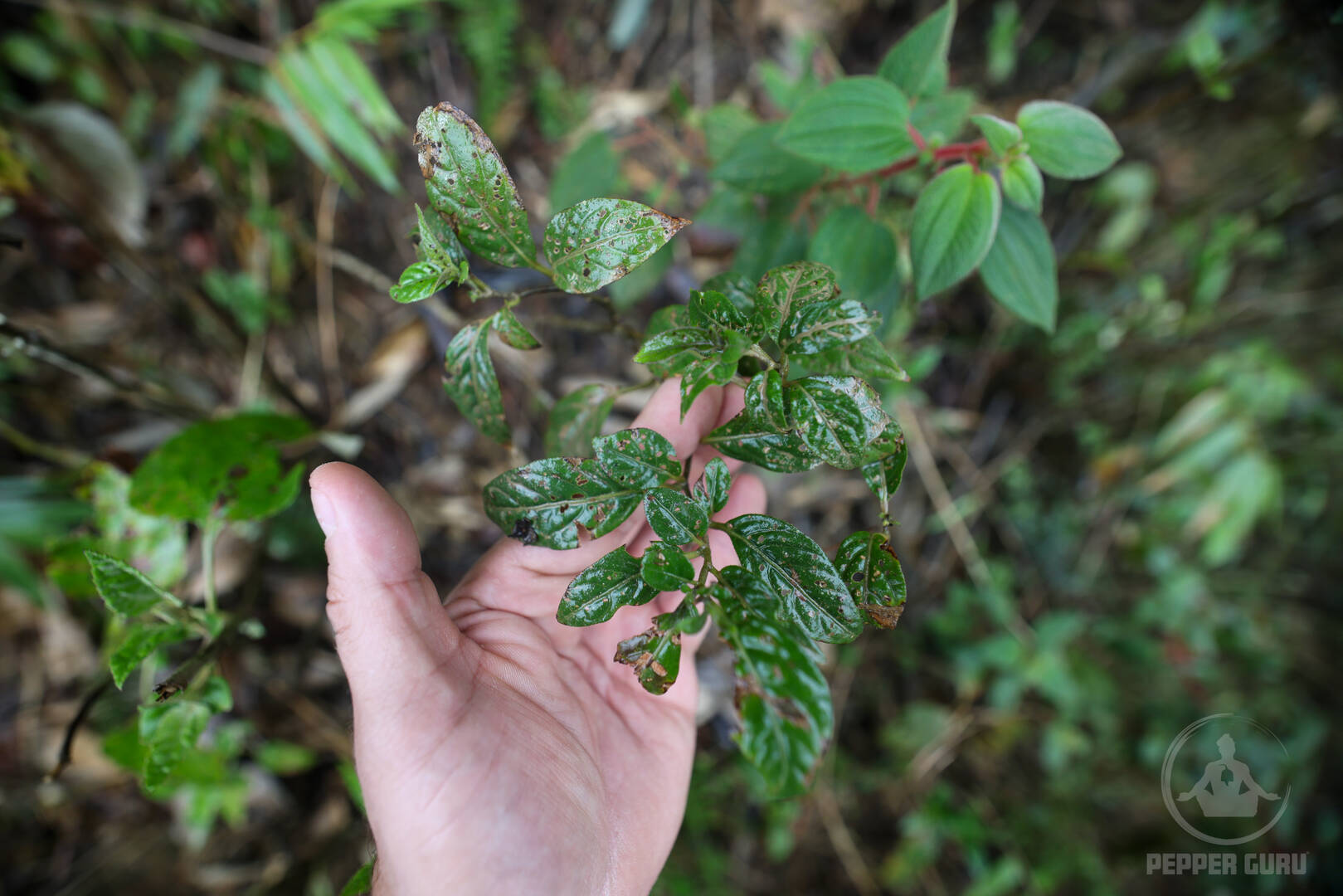
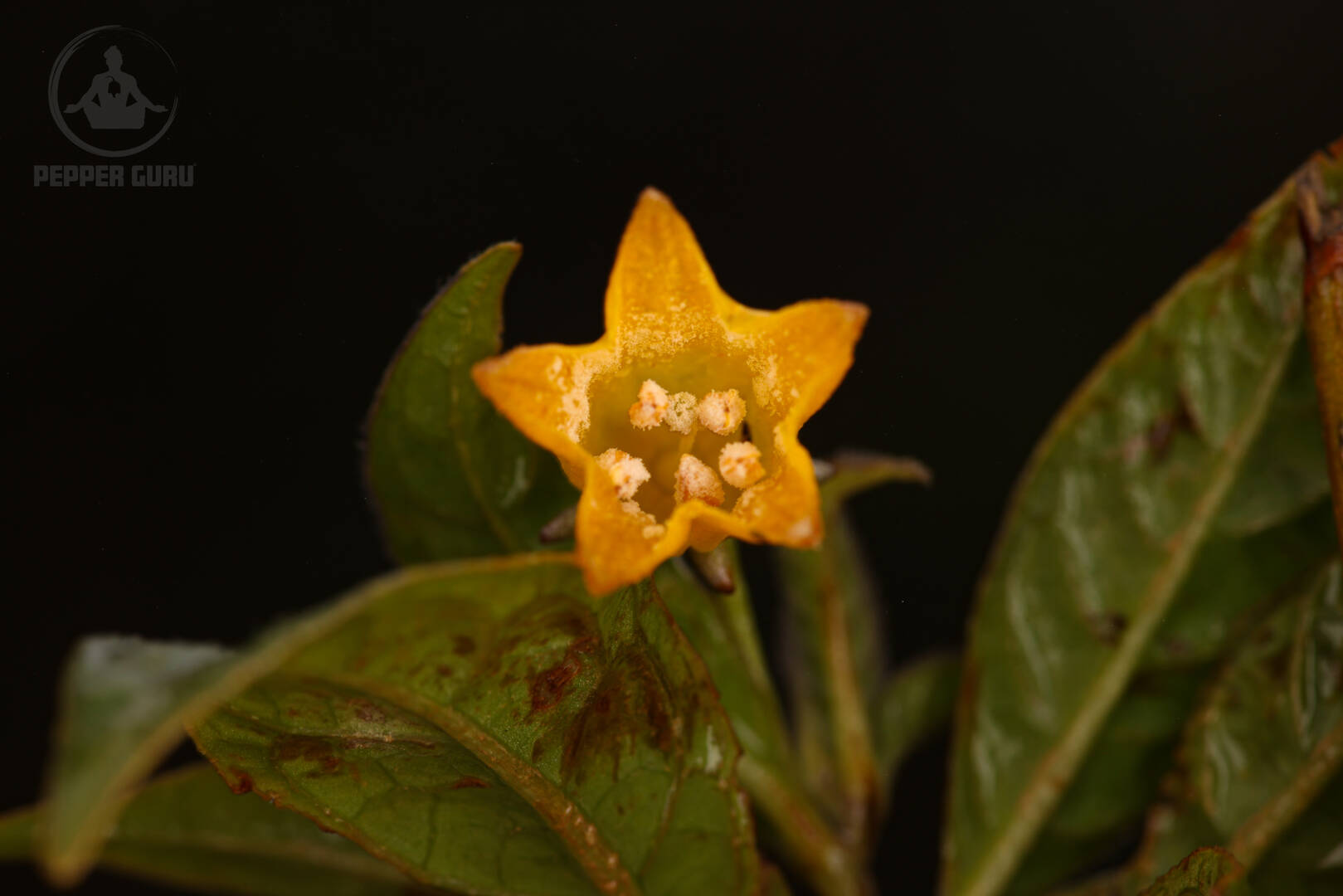
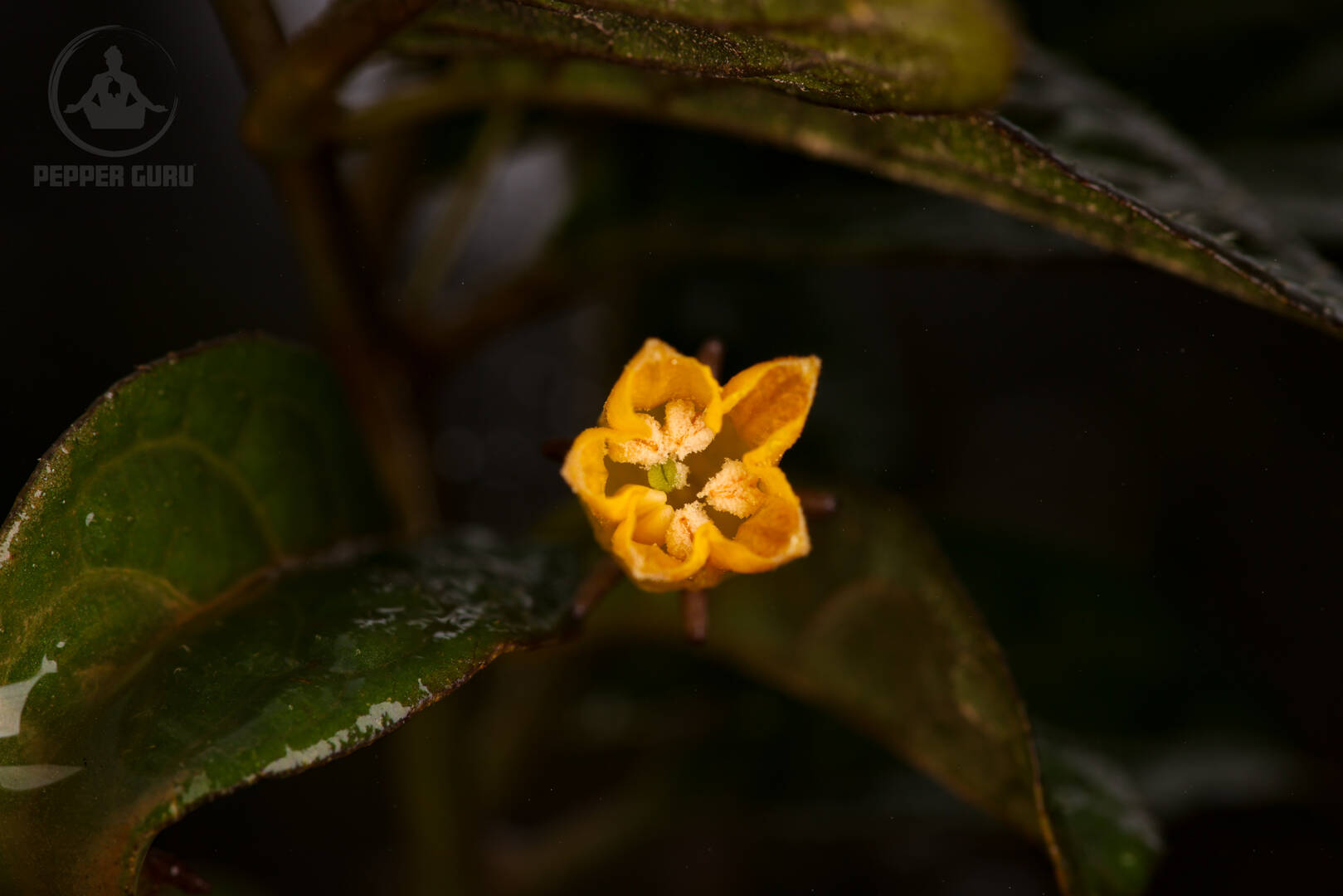
Capsicum piuranum.
A critically endangered wild pepper of the Andean clade, C. piuranum survives in a fragmented landscape of steep, wet mountain slopes, cliffs and overhangs.
Fewer than 250 populations are known, and even reaching some of the historical collection sites is becoming increasingly difficult. Landslides, collapsing slopes and failed cliffside road platforms are literally changing the mountain.
Our first attempt up was stopped by a road closure.
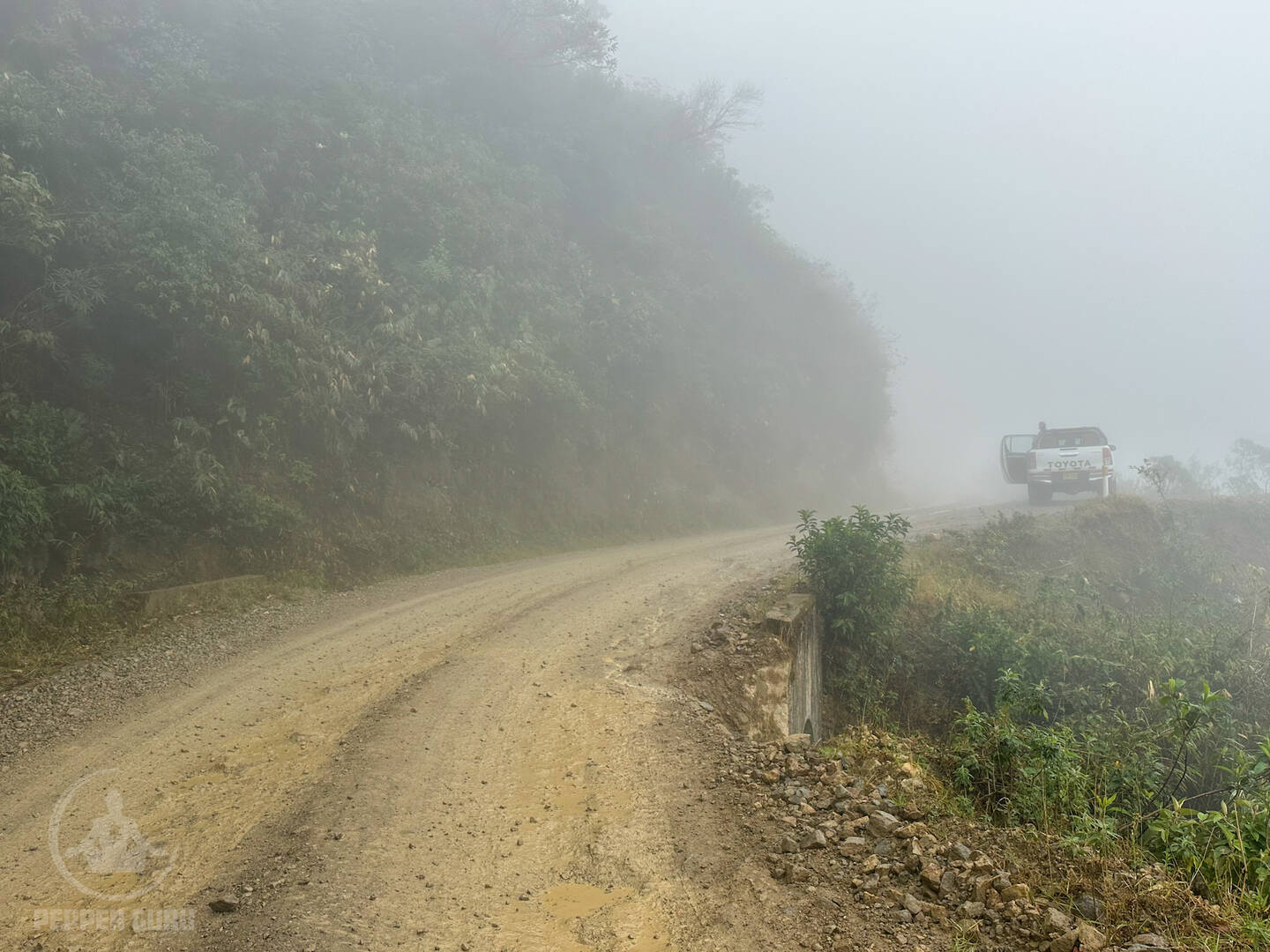
So we drove back down out of Canchaque, found a bypass around the construction, rejoined the mountain road beyond it, and began climbing through the switchbacks.
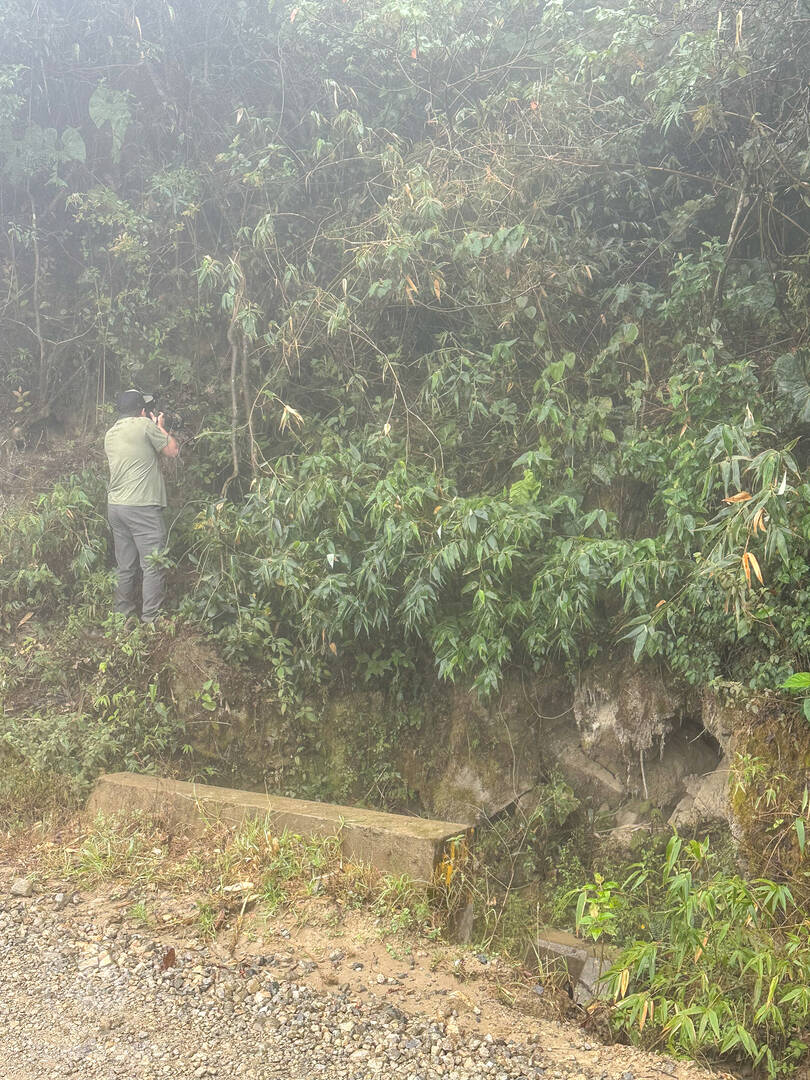
Before long, visibility dropped to almost nothing. We were completely inside the clouds.
Probably for the best. Jen didn’t need to know just how insane some of those drop-offs were.
As we climbed, we began checking historical collection sites associated with botanists like Mione, Barboza and Leiva. Some of them simply aren’t there anymore. Where plants had once been documented, we found rubble, collapsed roadbed and sheer rock faces disappearing into the valley below.
But not all of them were gone.
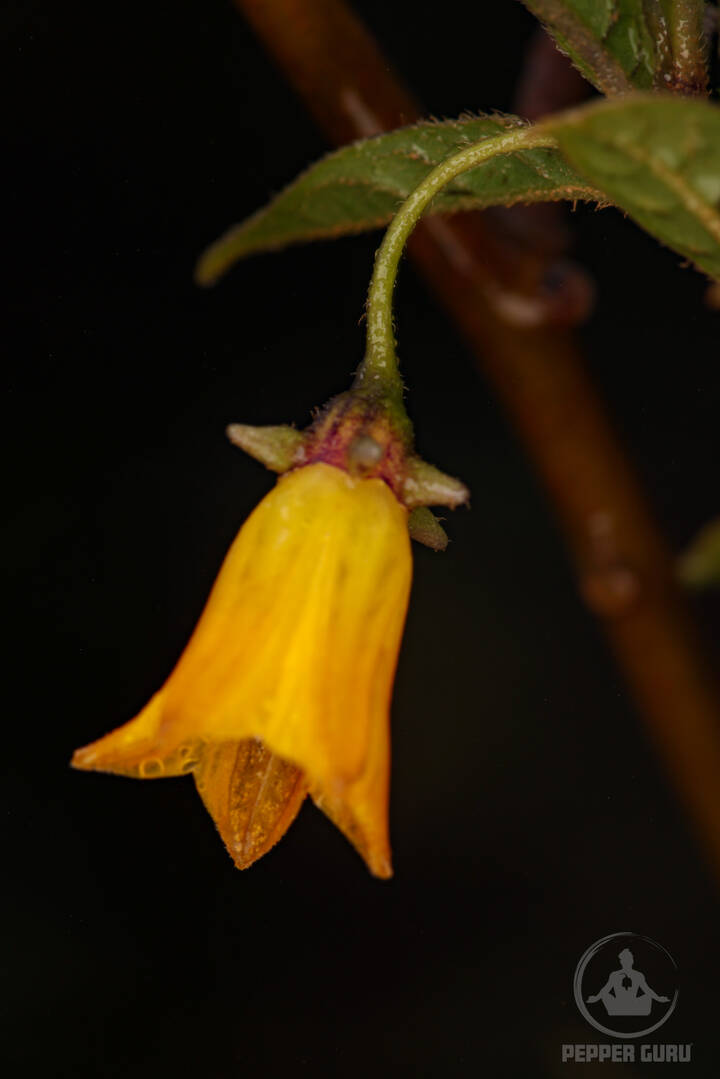
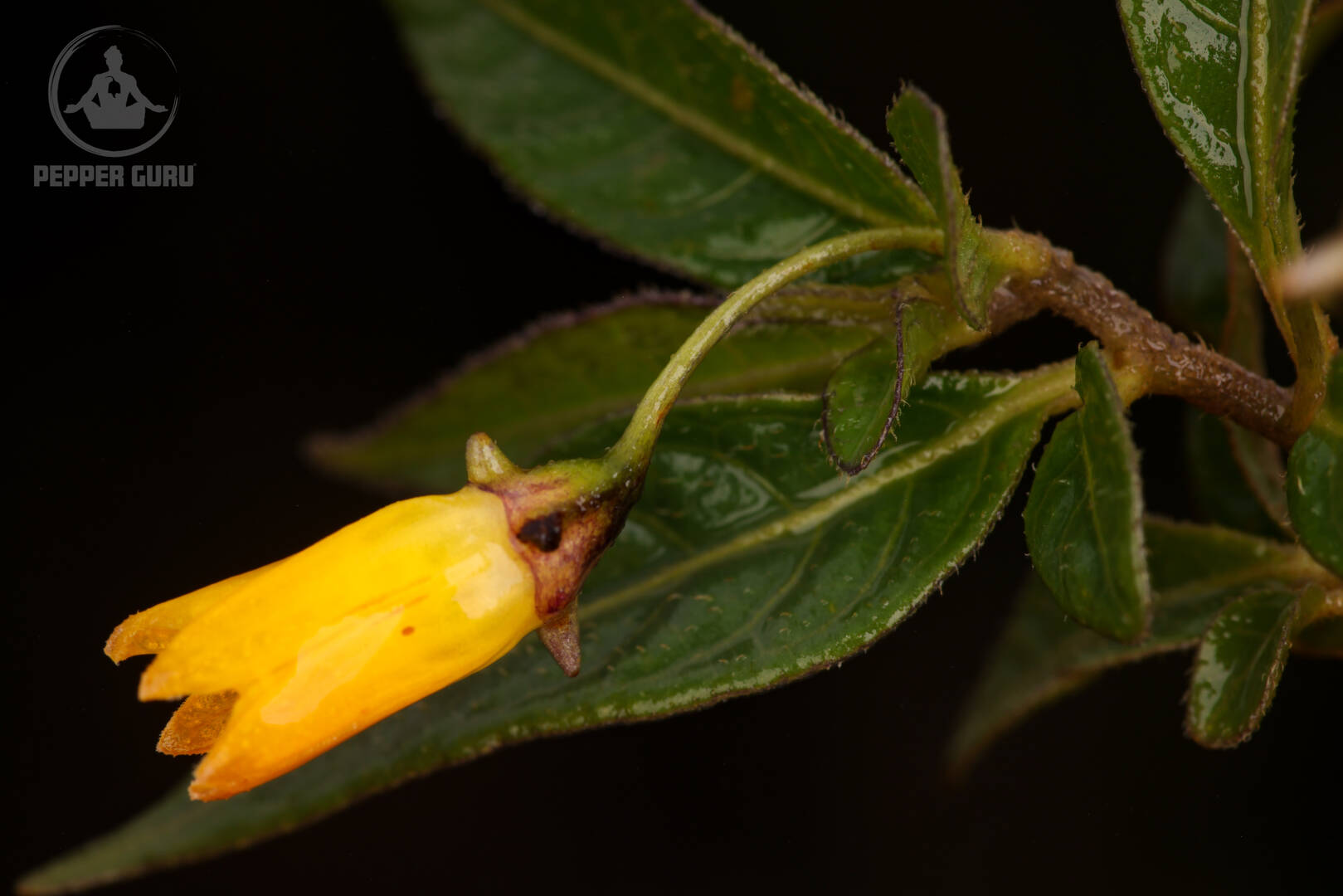
Eventually, through the mist, we found it.
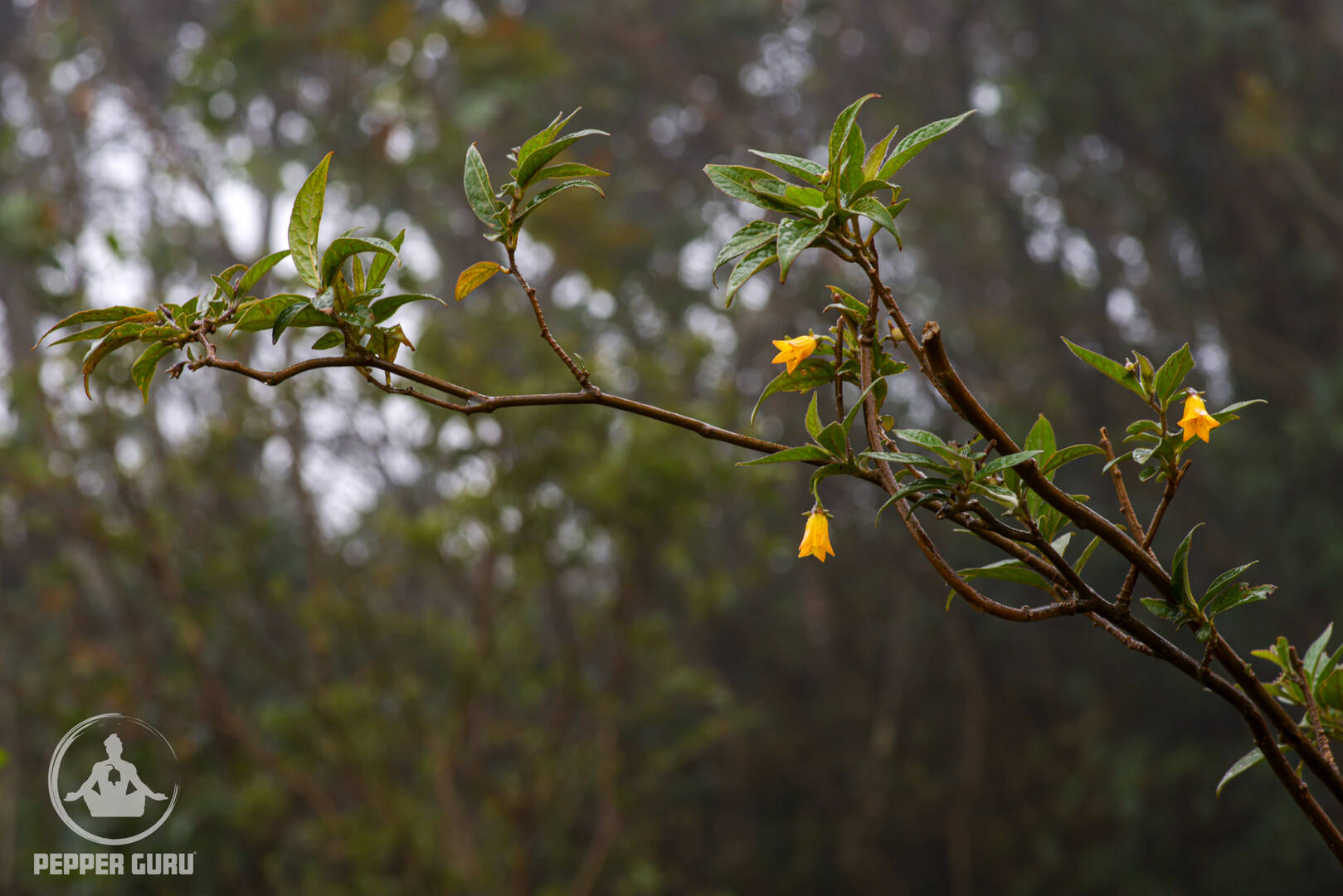
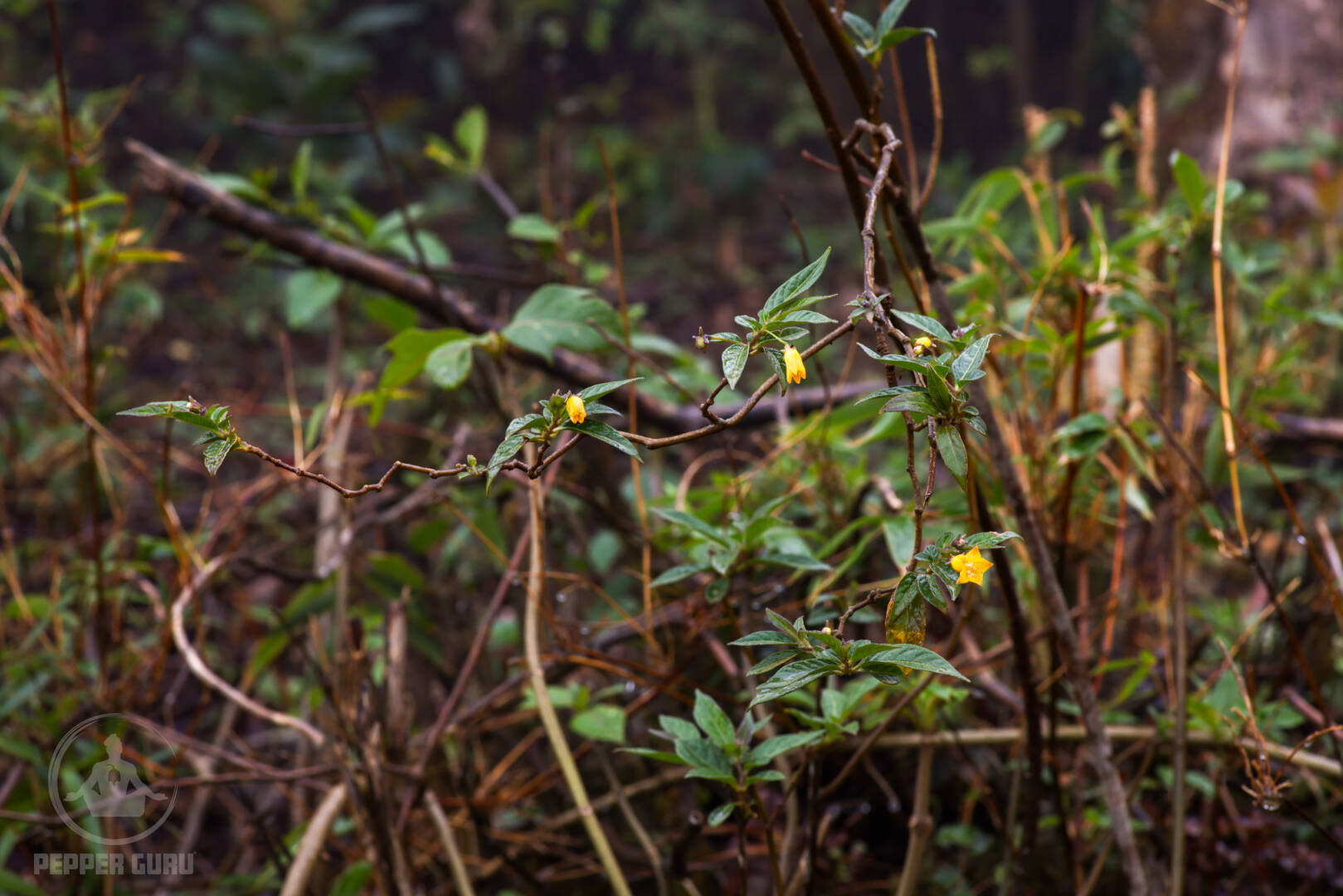
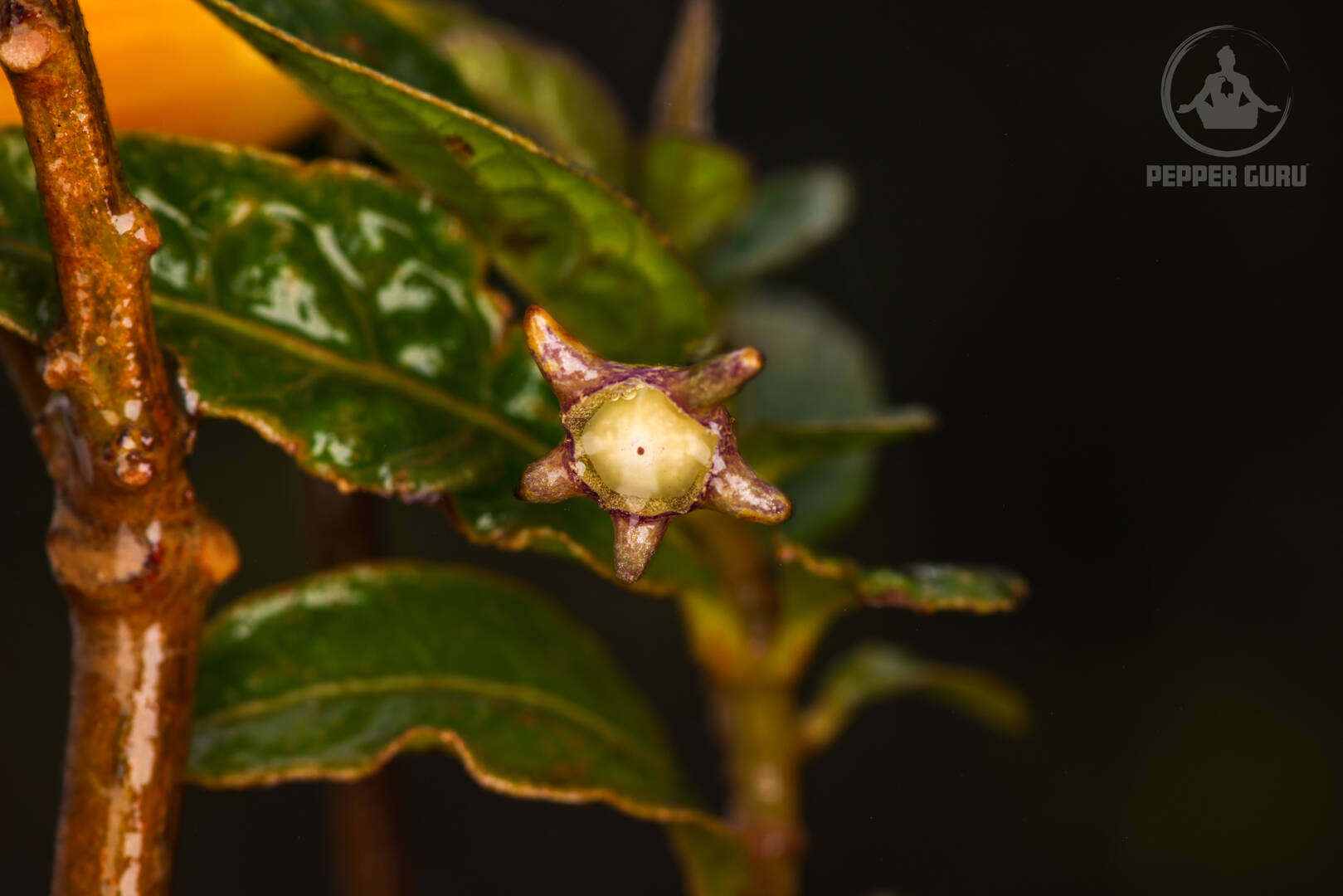
Capsicum piuranum.
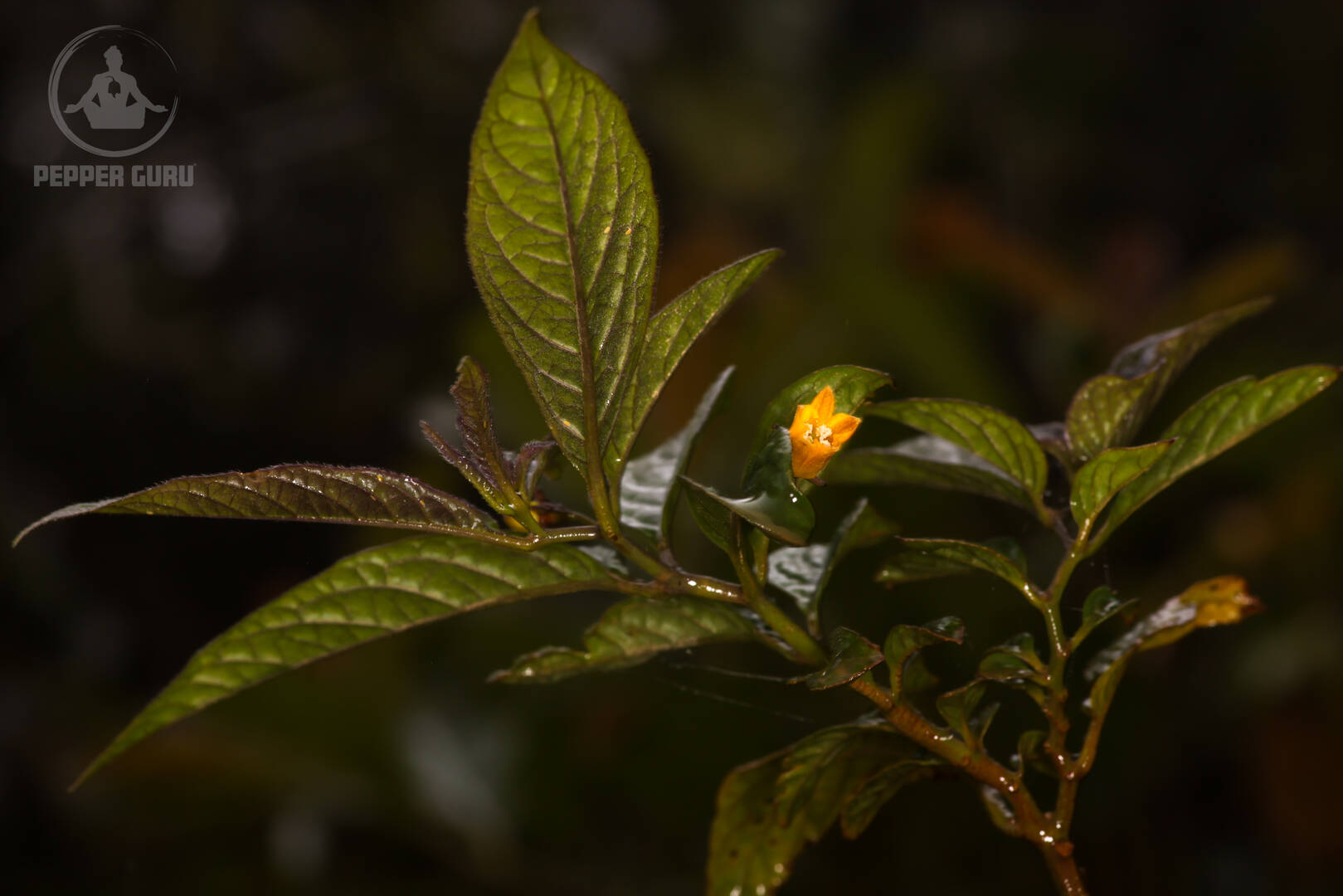
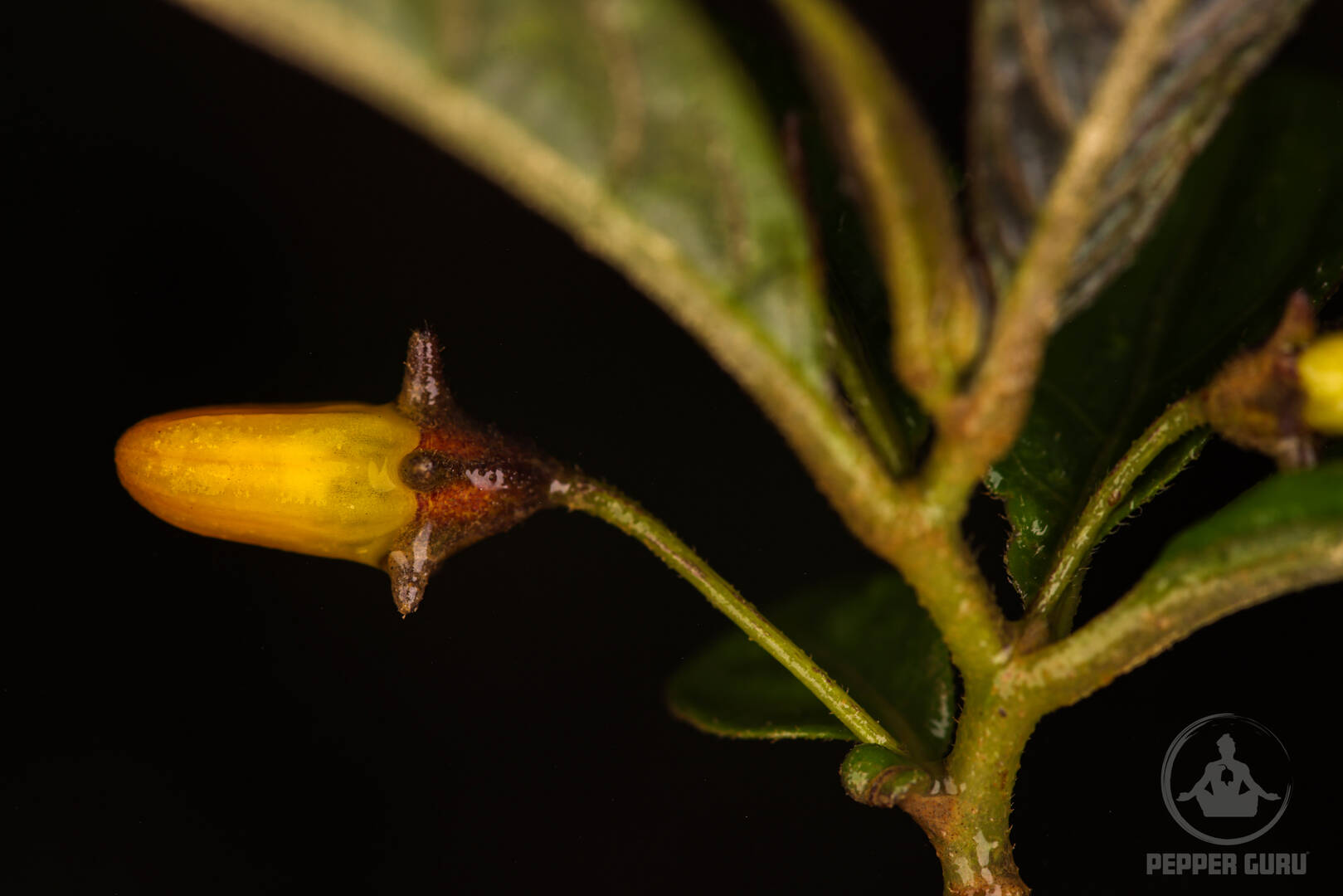
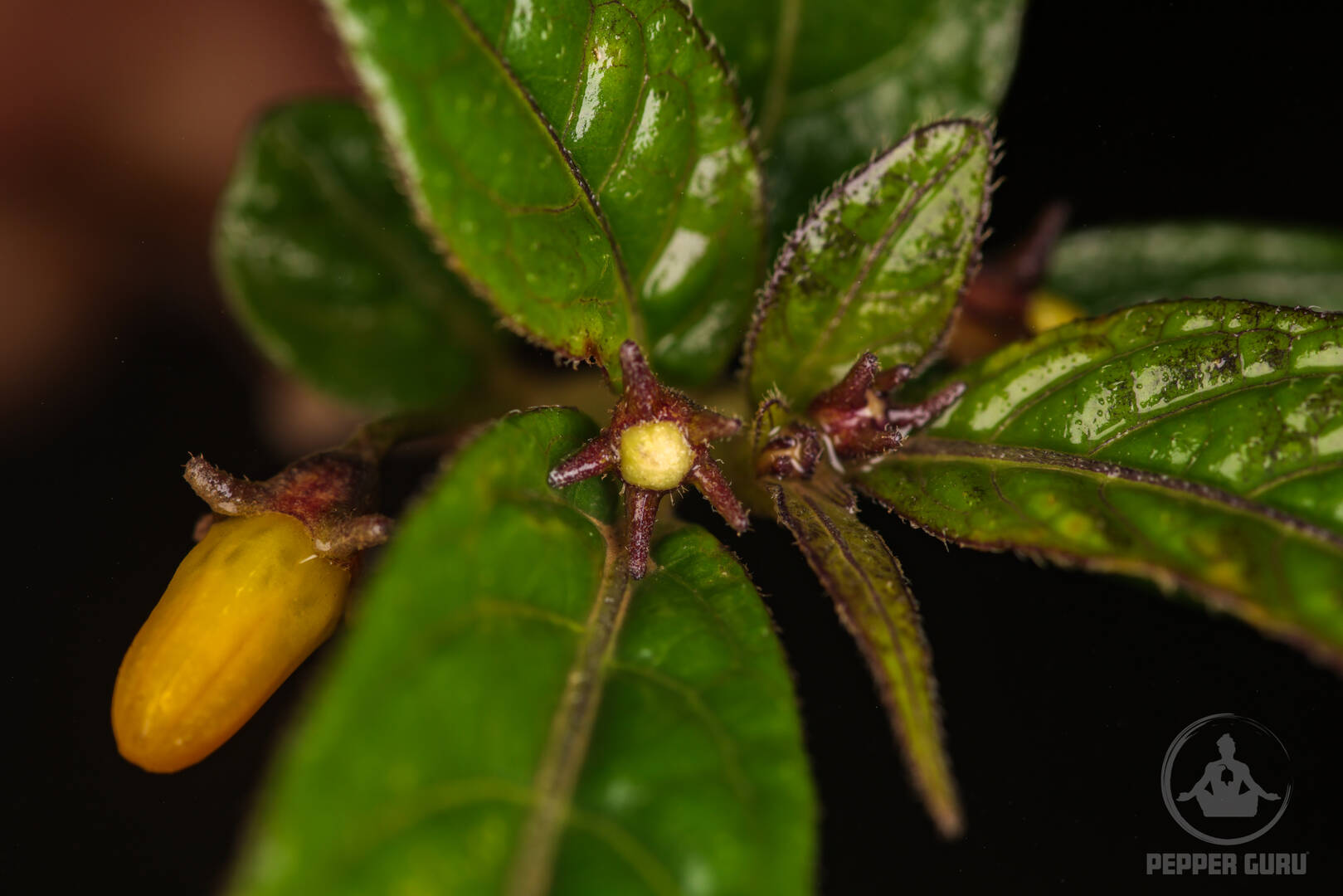
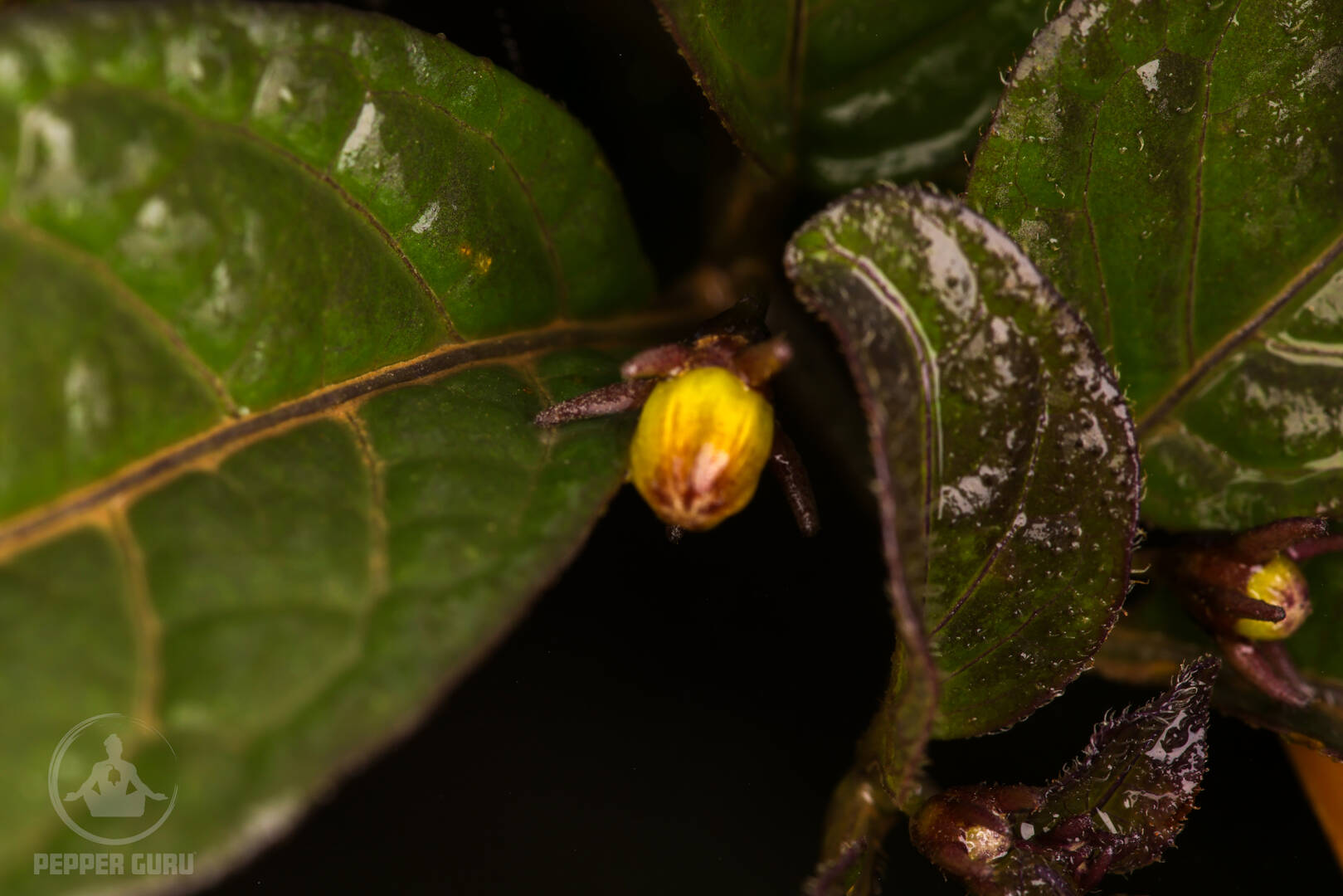
Scant branches stretched from wet cliffs and overhangs, carrying plenty of delicate flowers—but no ripe fruit. We already knew we were arriving earlier than the historically better fruiting window, so that wasn’t entirely unexpected.
For me, this trip wasn’t only about finding fruit or collecting seed.
I wanted to see this species growing in its natural habitat. To understand the elevation, the moisture, the vegetation, the cliffs and the incredibly narrow ecological space it occupies.
And after seeing how quickly these mountains can erase a known locality, I’m glad we came when we did.
I had to see this one before it’s too late.
Capsicum piuranum — Canchaque, Peru.
More from the hunt soon.
🎥 NEW PEPPER GURU VIDEO
Ají Limo infused COCKtails in Machu Picchu 🤣
🎥 NEW PEPPER GURU VIDEO
Hunting a Critically Endangered Wild Pepper in the Peruvian Andes
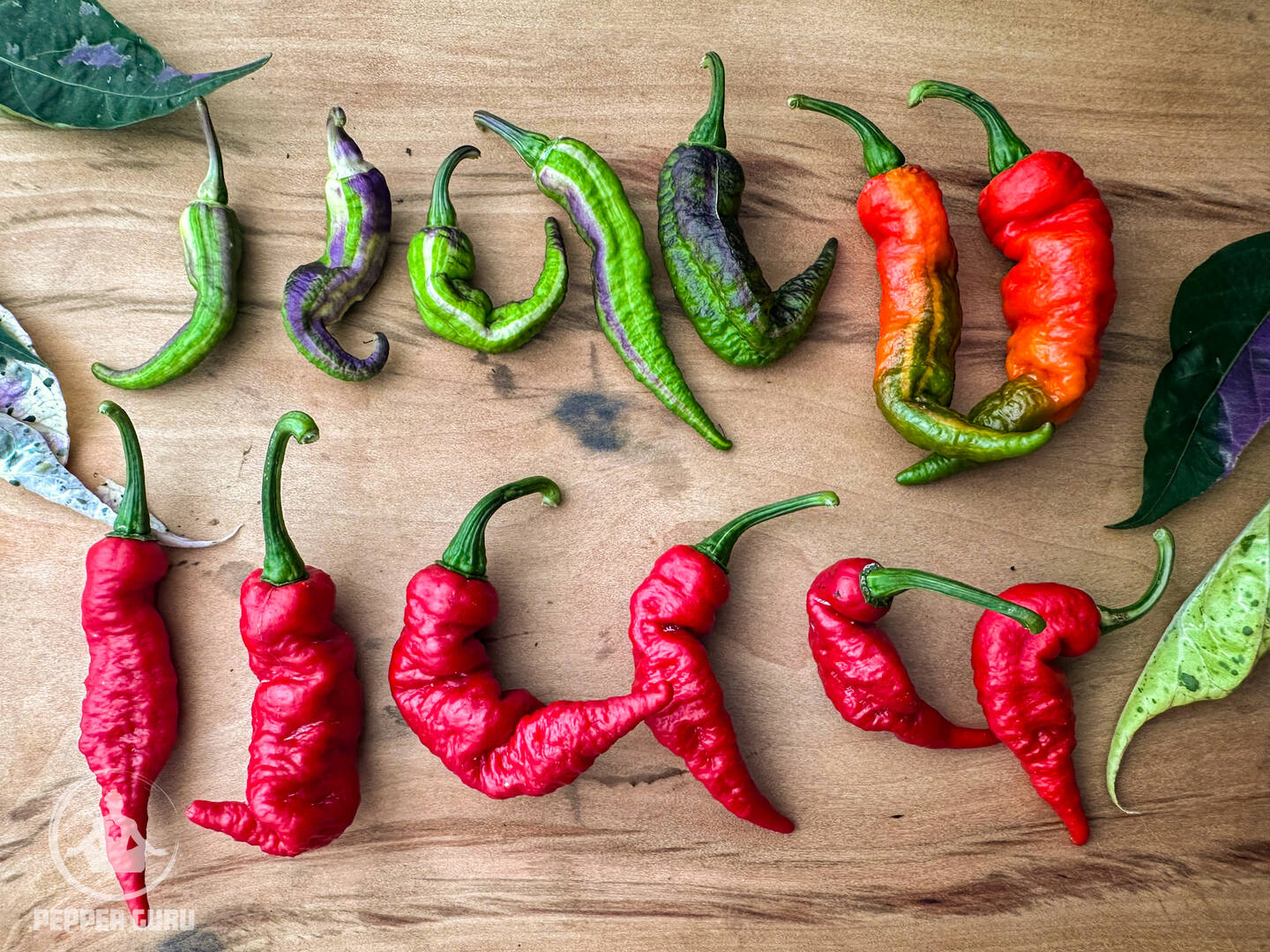
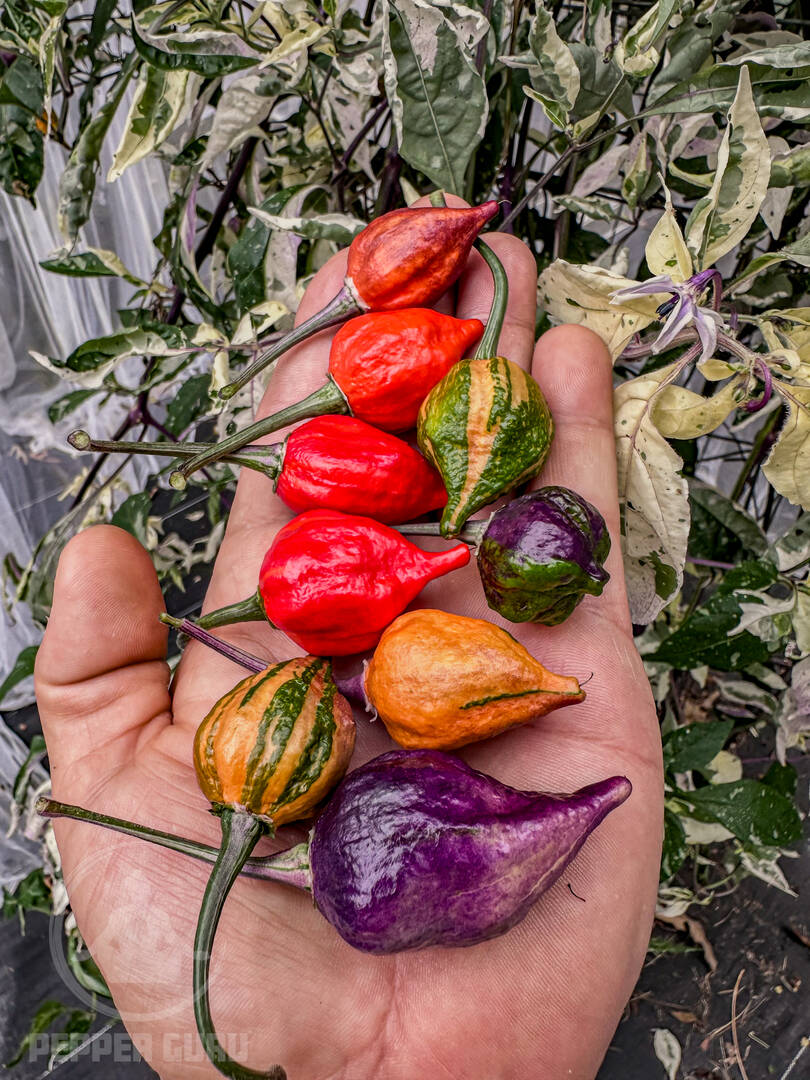
Variegated super hot peppers “R1P1” from actual pepper breeder, Bryan Townshend of Towns-end Chili and Spice.
🎥 NEW PEPPER GURU VIDEO
The Wild Peppers Hiding Beneath Machu Picchu