
Pepper Guru BloG
PEPPER SCIENCE. HISTORY. GROWING. CULTURE.
From busting pepper myths and exploring Capsicum science to growing, cooking, and searching for peppers around the world—you can read about it here.
Pepper History
Origins, expeditions, discoveries, and the stories behind the peppers.
Growing Peppers
Science, experiments, techniques, and lessons from the field.
Peppers In The Kitchen
How cultures around the world grow, cook, and live with peppers.
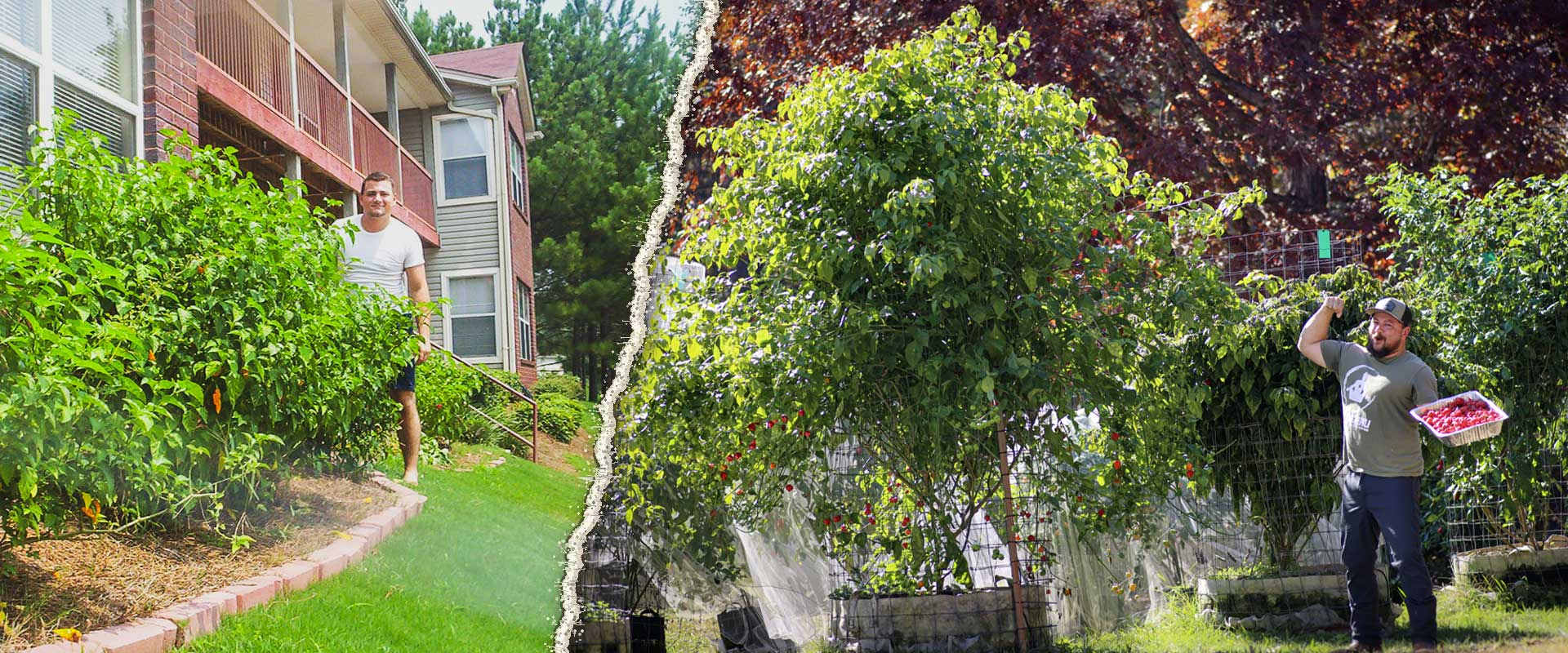
Is Overwintering Pepper Plants Still Worth It? Rethinking My 2011 Guide in the Age of Rapid Growth
In 2011, I wrote one of the most widely discussed guides to overwintering pepper plants. Fifteen years later, my approach has changed. After years of refining light, nutrition, and growing conditions, I’ve found that vigorous seed-grown plants can outperform their overwintered counterparts. Here’s why I’m rethinking the practice, and when I still believe it’s worth the trouble.
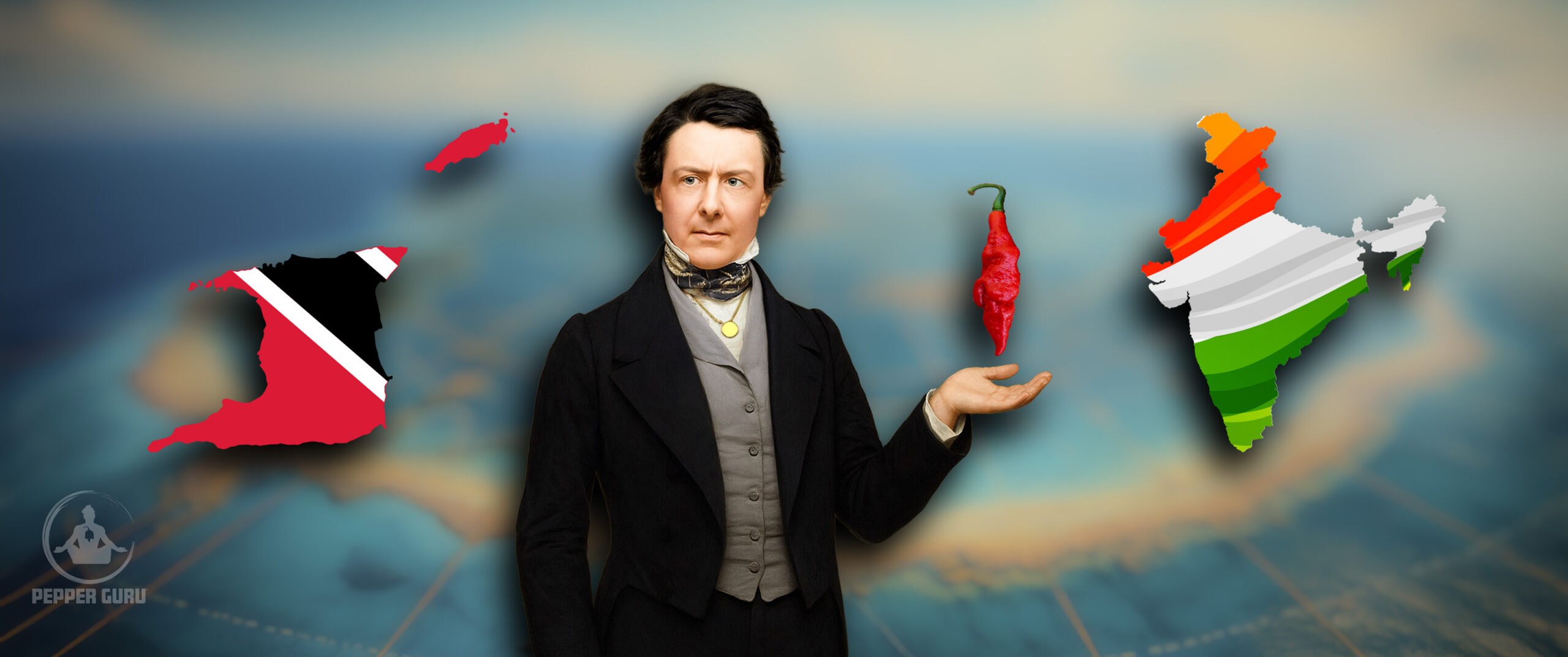
The Devil’s Pepper: The Original Sin of Superhot Renames
Superhot peppers trace their fire to Trinidad’s ancient ají, later renamed the Devil’s Pepper and carried across the seas. This was not the first journey, but one clear chapter we can point to. From that blazing lineage rose the Scorpion, Moruga, and 7 Pot, while distant flames like the Naga burned their own ancient path. One fiery seed, many names, and an endless inferno.

Locopica | Capsicum arachnoideum Demystified
Capsicum arachnoideum was long thought a rare Bolivian wild pepper—until I traced it to natural hybrids in Samaipata compost piles. Crosses between Locoto (C. pubescens) and wild Ulupica (C. eshbaughii), pollinated by local emerald sweat bees, created these “spider-like” plants. Never a lost species, just nature’s boundary-crossing. Proposing “Locopica” for Bolivia’s hybrid legacy. Full discovery inside!
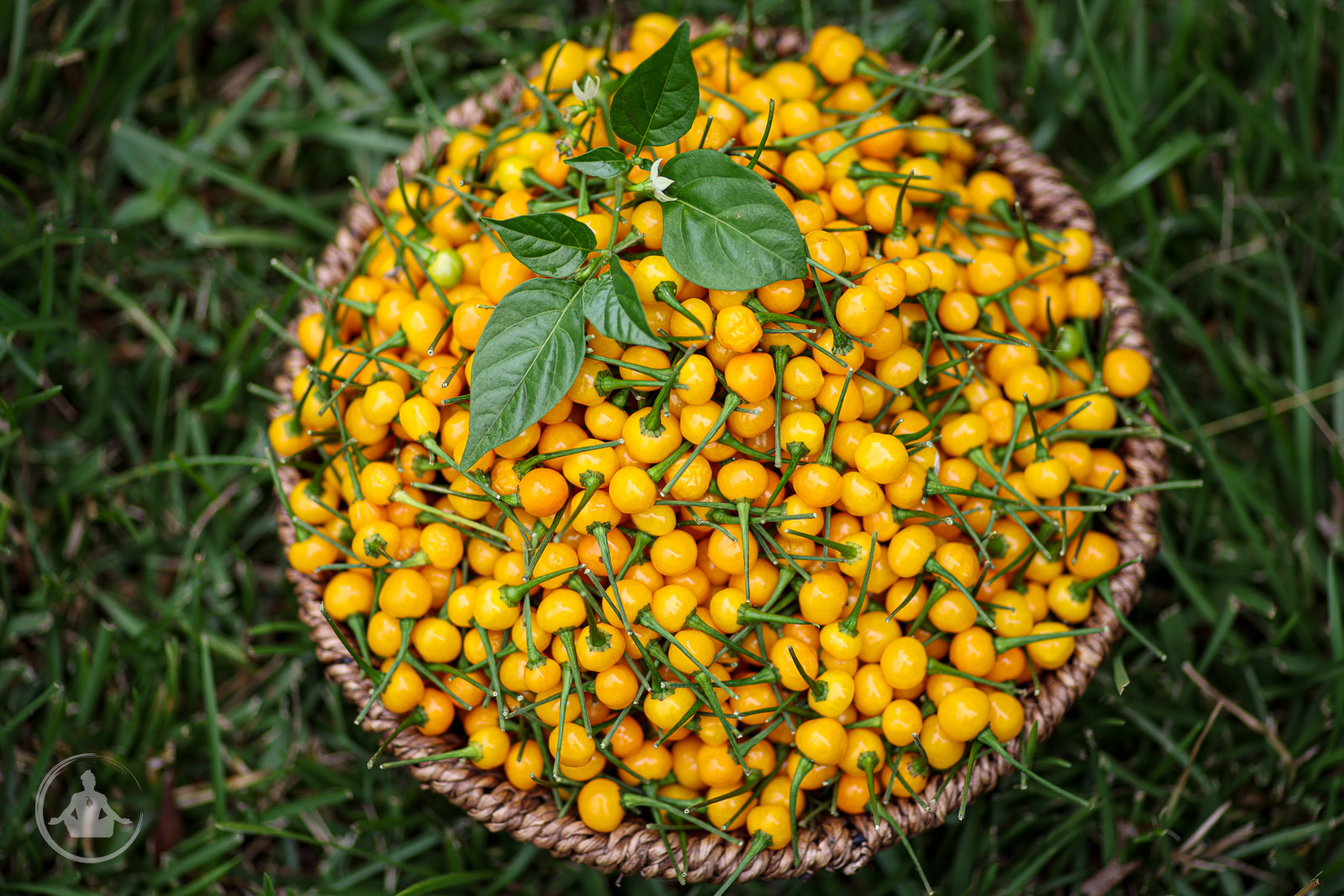
Ají Charapita: Debunked, Not Diminished
In 2014, I found Ají Charapita for pennies in Peru. By 2016, Erich Stekovics called it the world’s priciest pepper at $25K. Here’s the real story—debunked, yet undimmed.
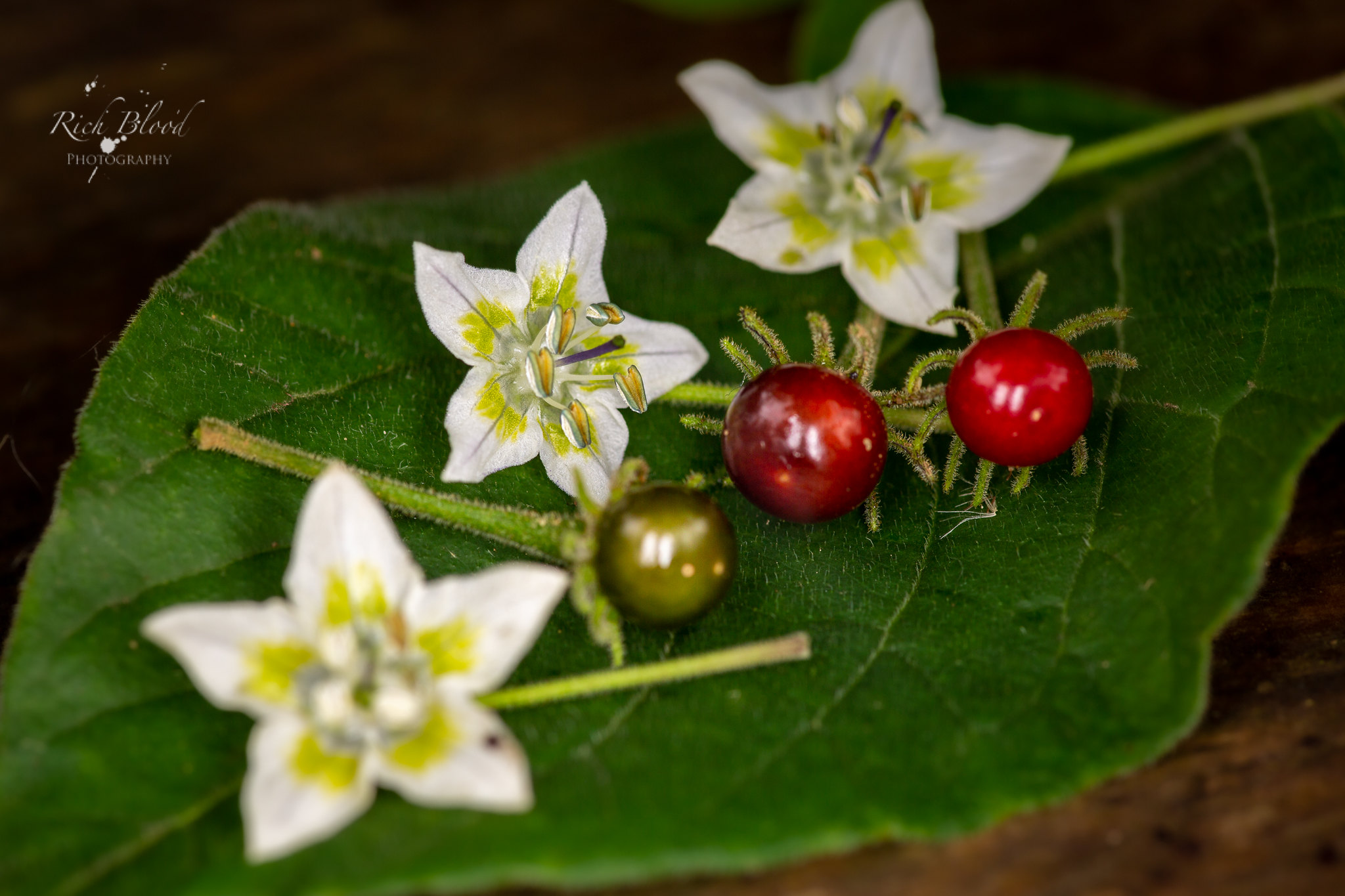
Capsicum eshbaughii | Ulupica’s Fight for Survival In Bolivia
In the remote landscapes of Bolivia, I have rediscovered an endangered pepper species. The elusive Capsicum eshbaughii.