Description
Solanum abutiloides Seeds – The Dwarf Tamarillo of Bermejo
Introduction to Solanum abutiloides Seeds
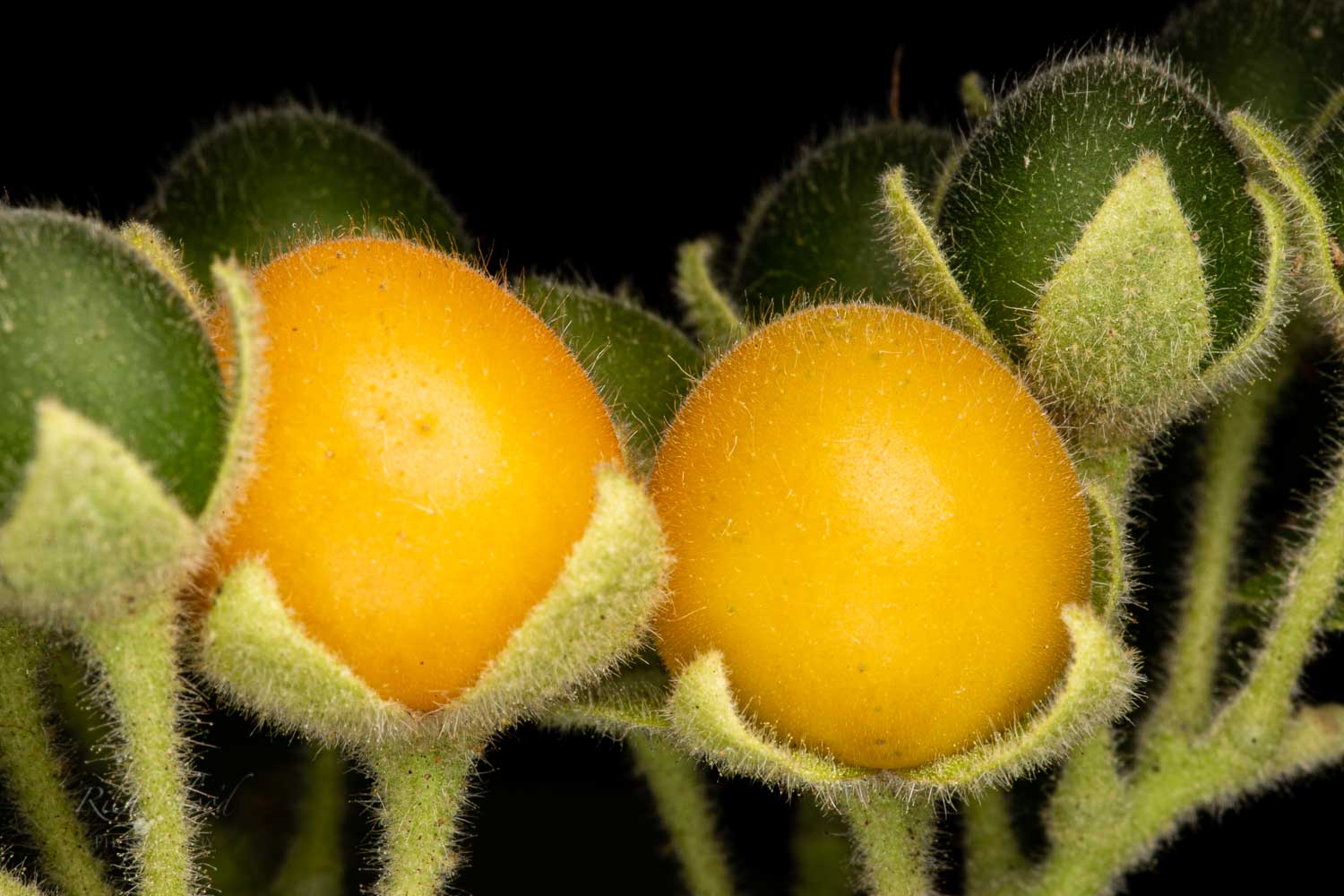
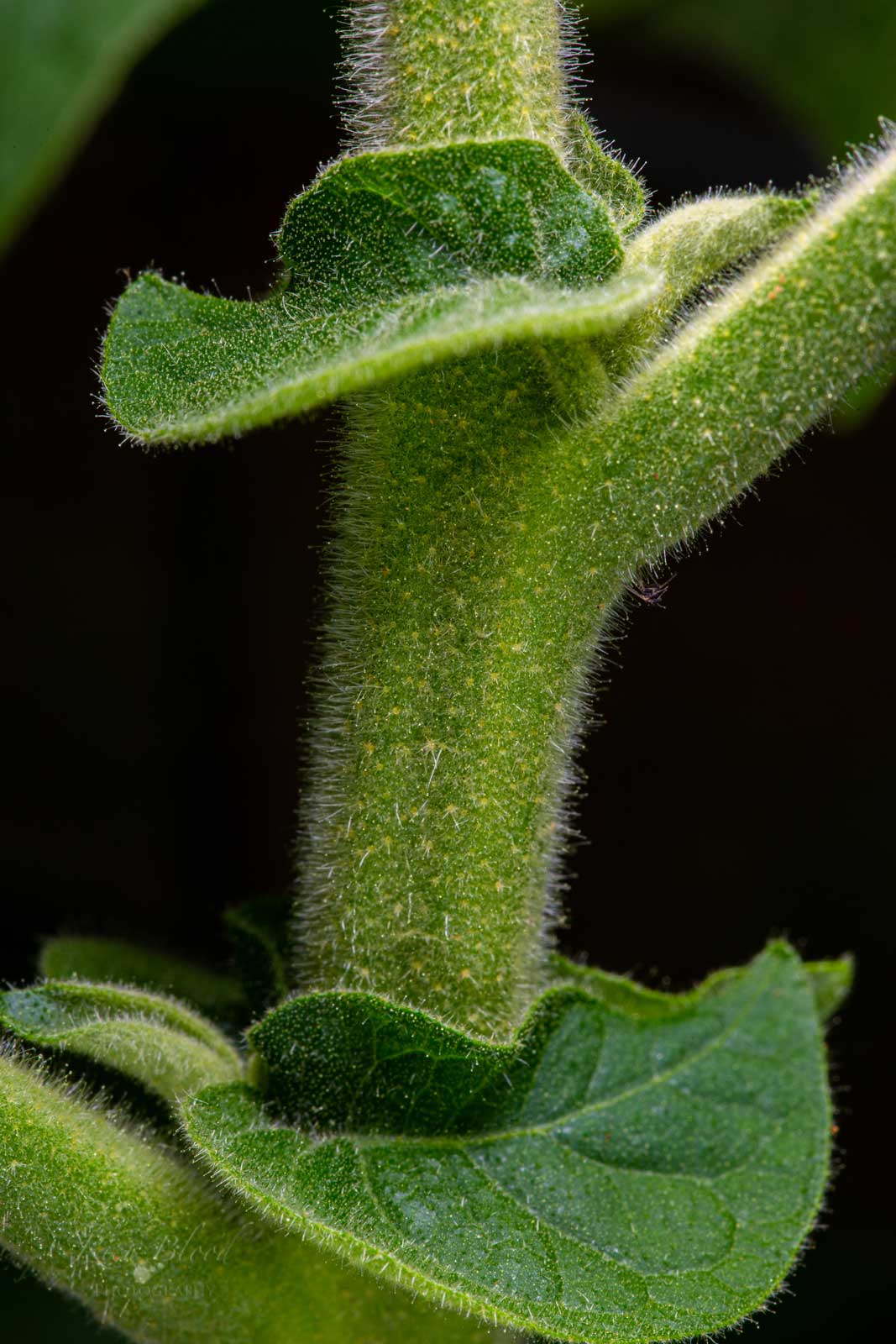
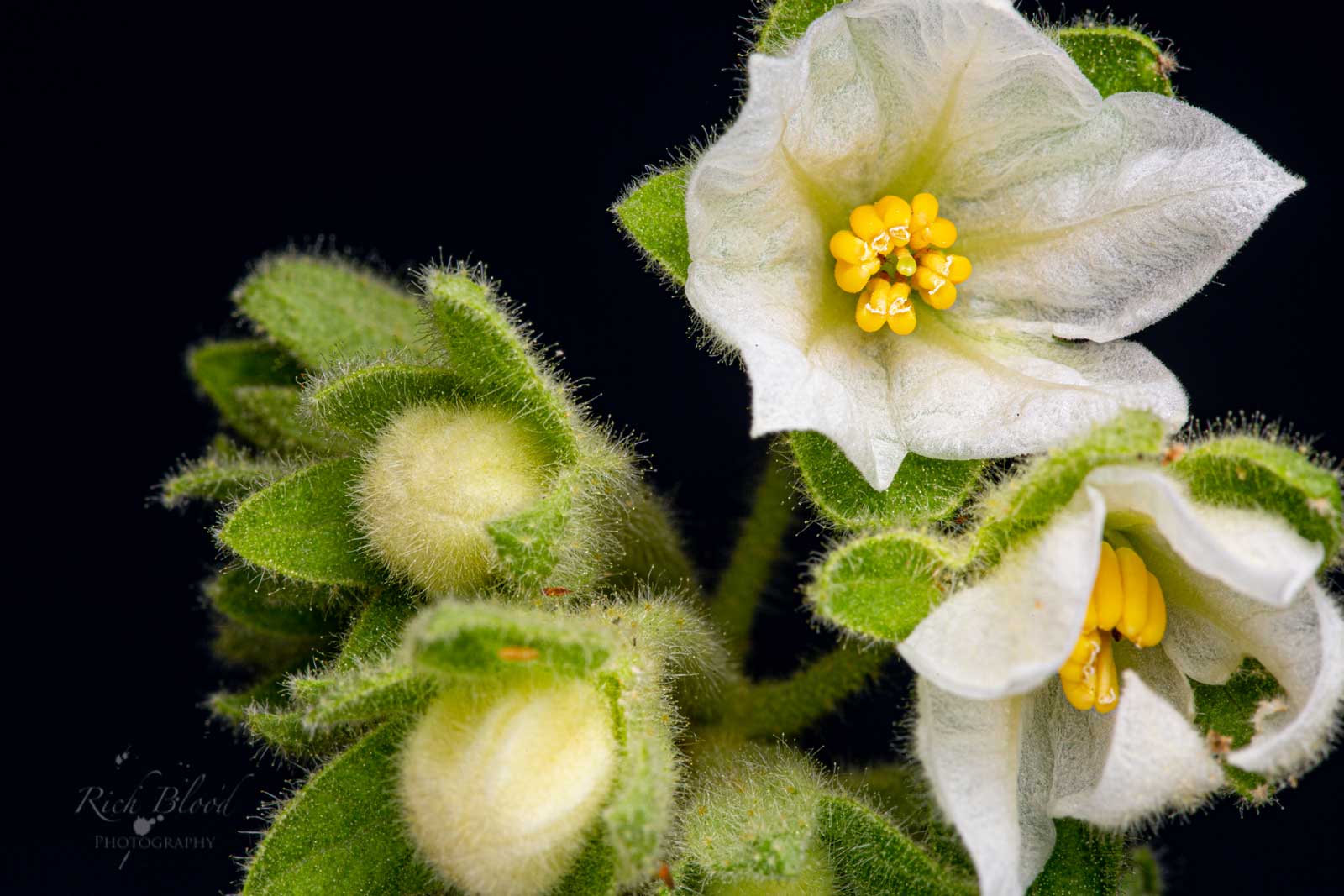
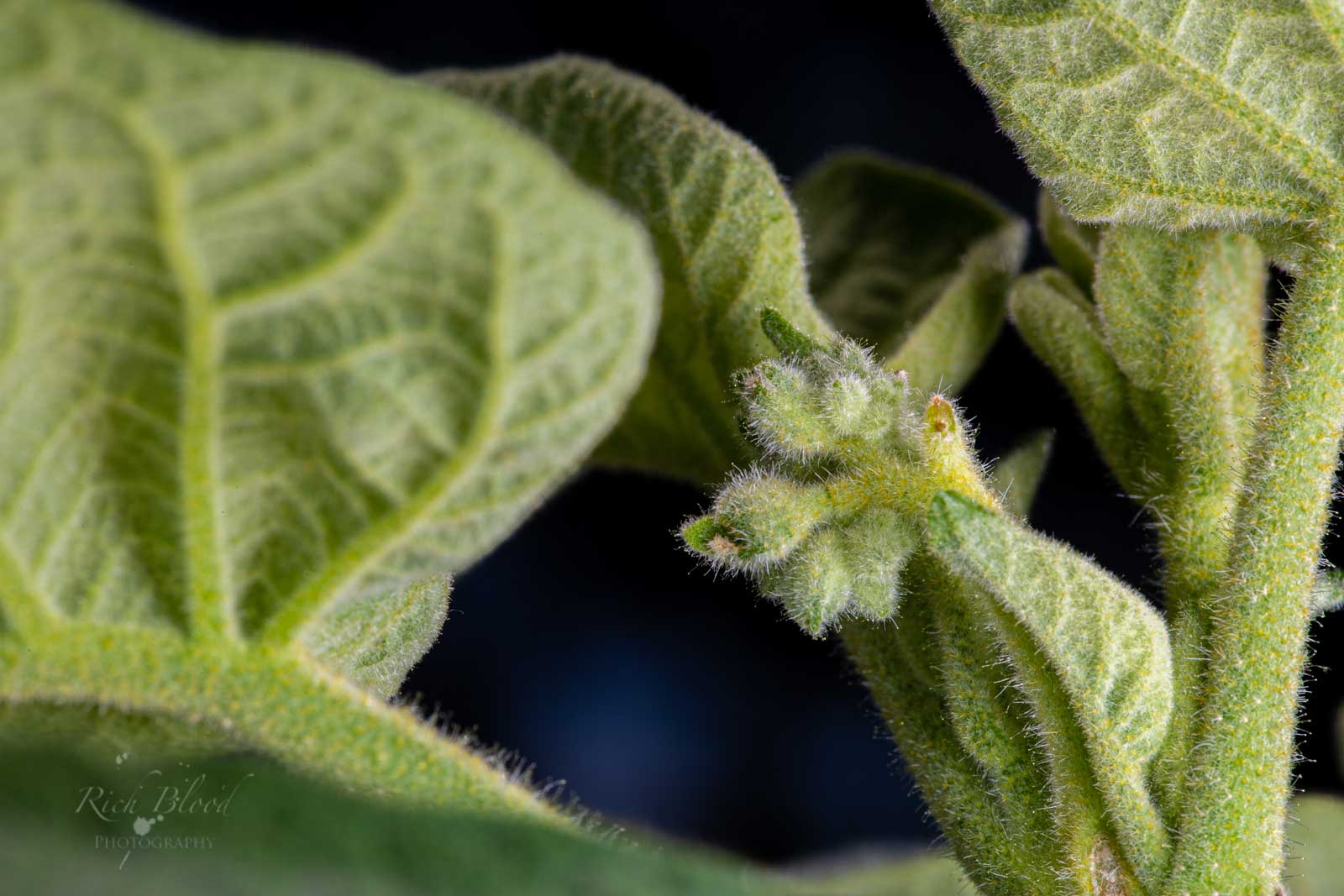
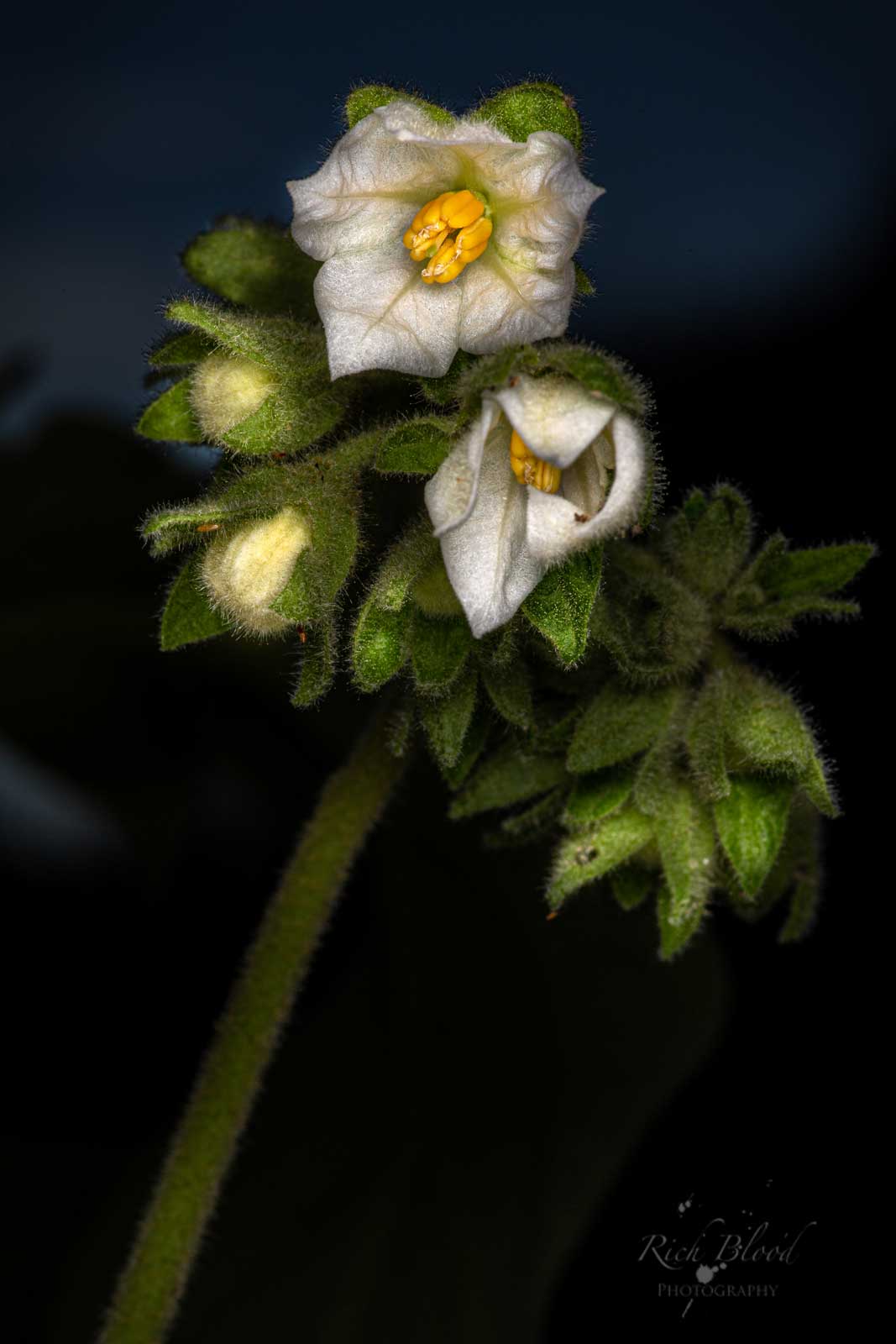
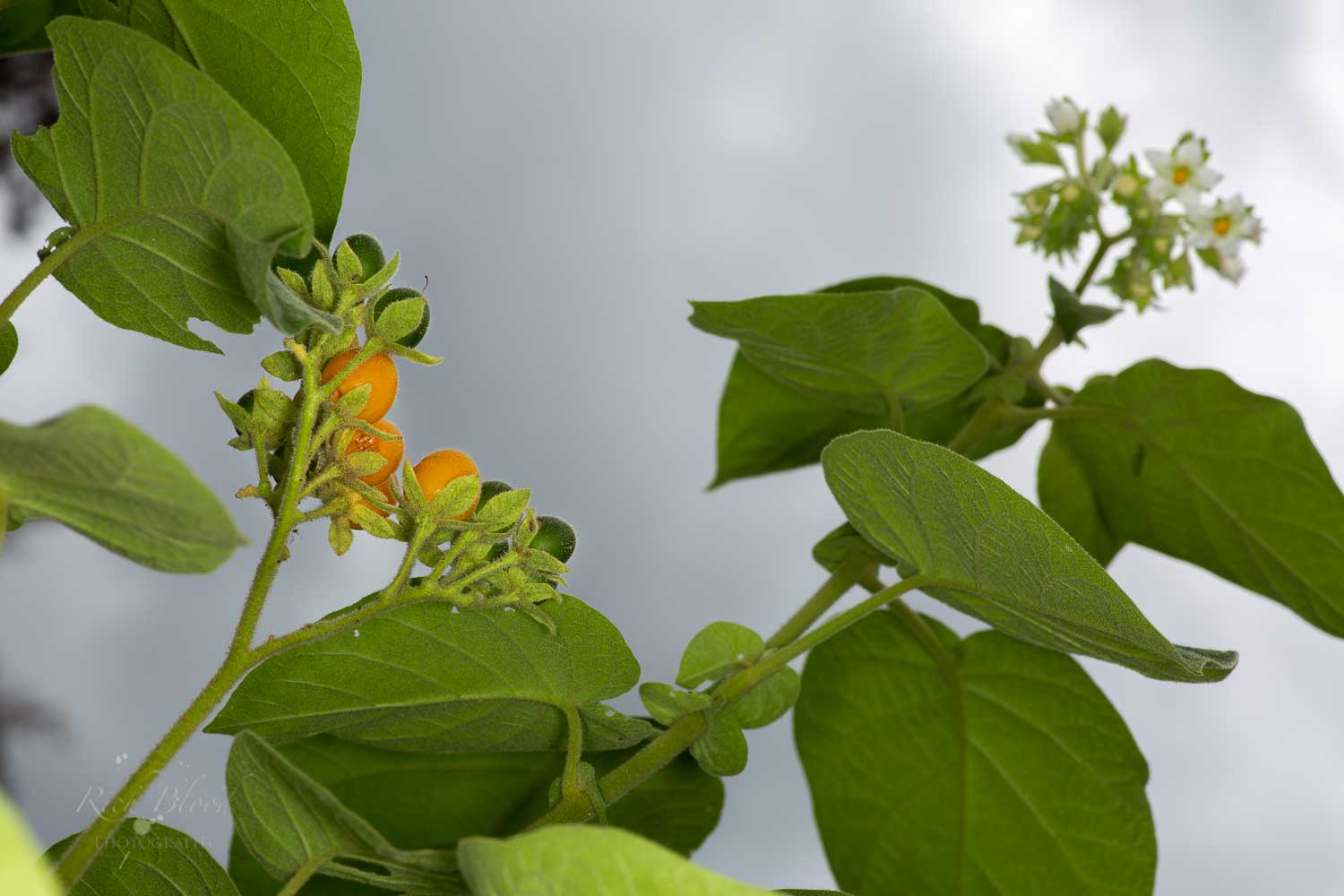
Collected near the Cuevas Waterfall in the Bermejo zone, just before reaching Samaipata, Bolivia, Solanum abutiloides—known locally as “tamarillo enano” or “fruta dorada”—is a rare Andean treasure long overlooked outside its native range. Despite its resemblance to the true tamarillo (Solanum betaceum), this wild cousin produces clusters of small golden fruits with an aroma and flavor unlike anything else—sweet, tangy, and almost funky like a ripe apricot crossed with a honeyed tomatillo.
Native to the montane regions of Bolivia and northern Argentina, Solanum abutiloides thrives in subtropical valleys where mist meets dry forest. Though its fruits are occasionally eaten fresh by locals, the plant has also held a quiet place in traditional medicine, used for its anti-inflammatory and antimicrobial properties to treat respiratory ailments, fever, and skin conditions.
For adventurous growers and flavor chasers, this species is a dream—ideal for homemade ketchups, BBQ sauces, and jams where its golden pulp transforms into something truly special.
Product Details
Product Name: Solanum abutiloides Seeds
Species: Solanum abutiloides
Origin: Bermejo Valley, Santa Cruz, Bolivia
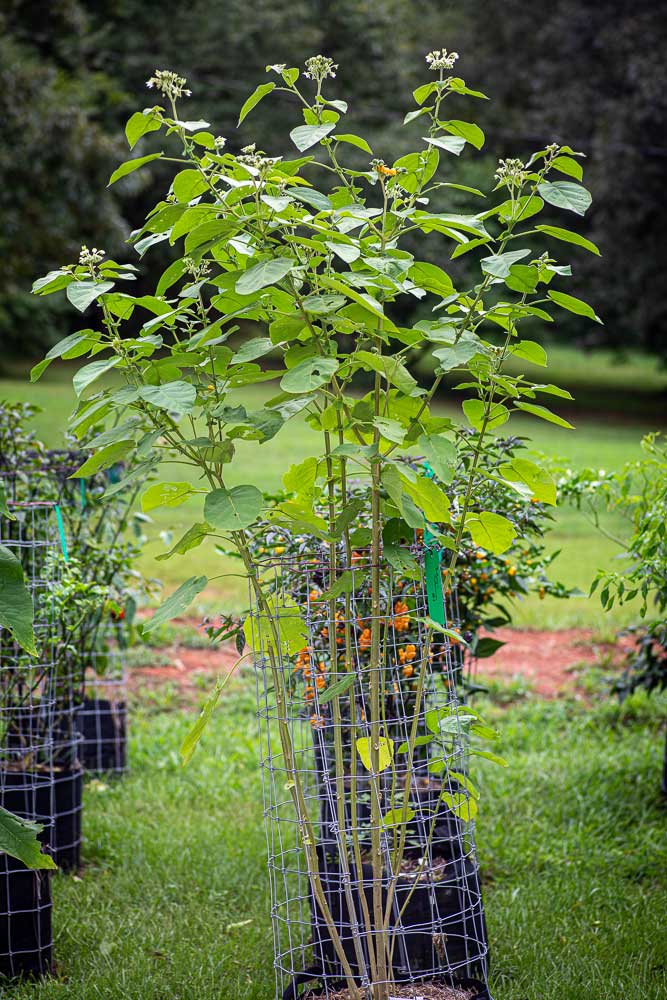
Growth Habit: Shrubby perennial up to 2–3 meters tall; produces abundant clusters of orange-golden fruits
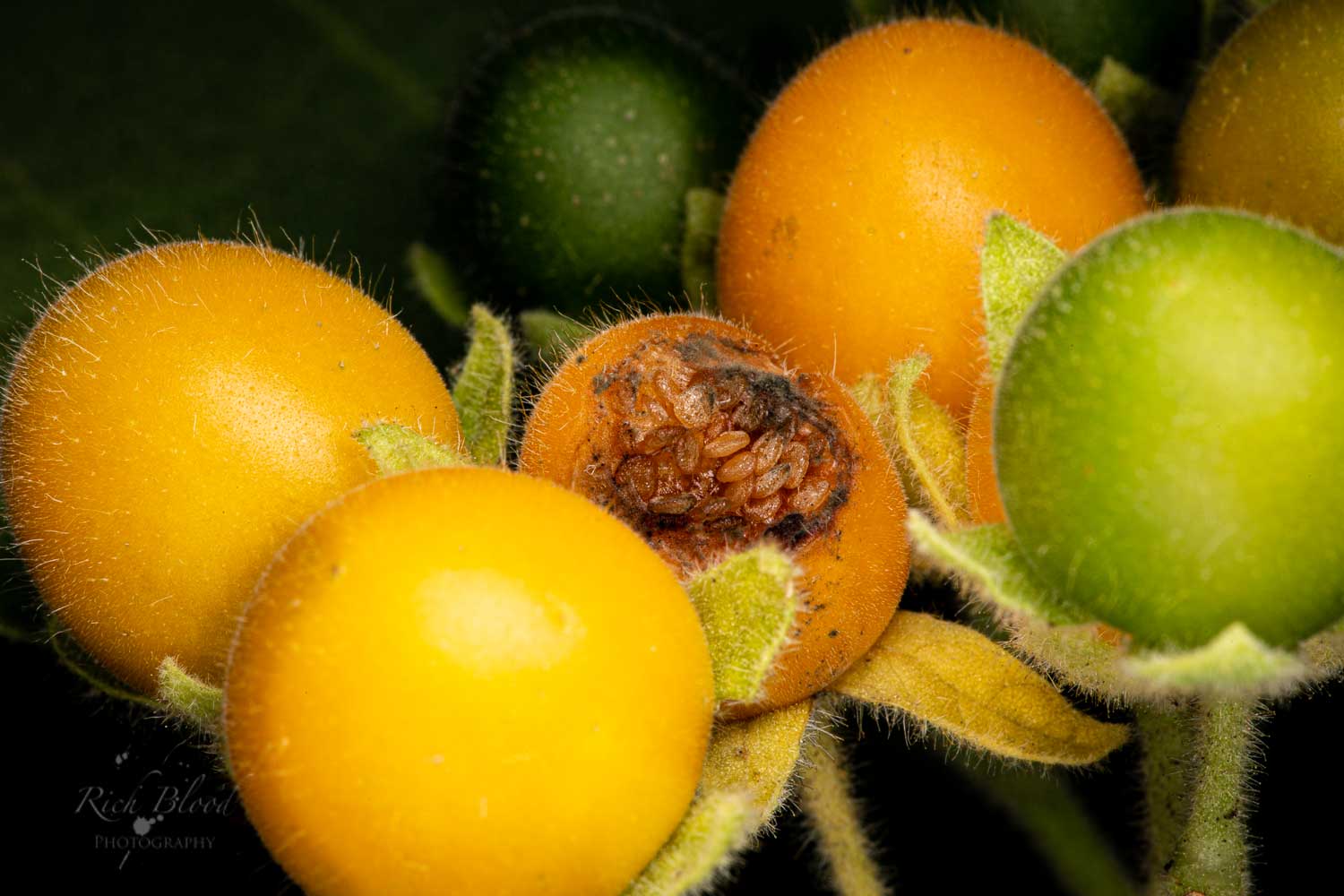
Fruit: Small, smooth berries ripening from green to amber-gold; juicy with sweet-tart pulp
Flavor Profile: Sweet, tropical apricot–tomatillo fusion with faint resinous funk
Culinary Uses: Ketchups, jams, chutneys, BBQ sauces, or eaten fresh
Climate: Prefers mild subtropical to warm-temperate climates with moderate humidity
Soil: Well-draining loam or compost-rich soil
Watering: Moderate, consistent moisture without waterlogging
Growth Time: Fruits mature roughly 100–120 days from transplant
Why Grow Solanum abutiloides?
Rare Andean Solanum – A close wild relative of the tamarillo, seldom cultivated outside South America
Flavor Innovation – Bright, tangy-sweet fruit that makes incredible sauces and preserves
Medicinal Heritage – Traditionally valued for its anti-inflammatory properties
High-Yielding & Ornamental – Clusters of golden fruit and delicate flowers attract pollinators
Direct from Bolivia – Wild-collected near Cuevas Waterfall, preserving native genetic stock
How to Grow Solanum abutiloides Seeds
1. Seed Germination
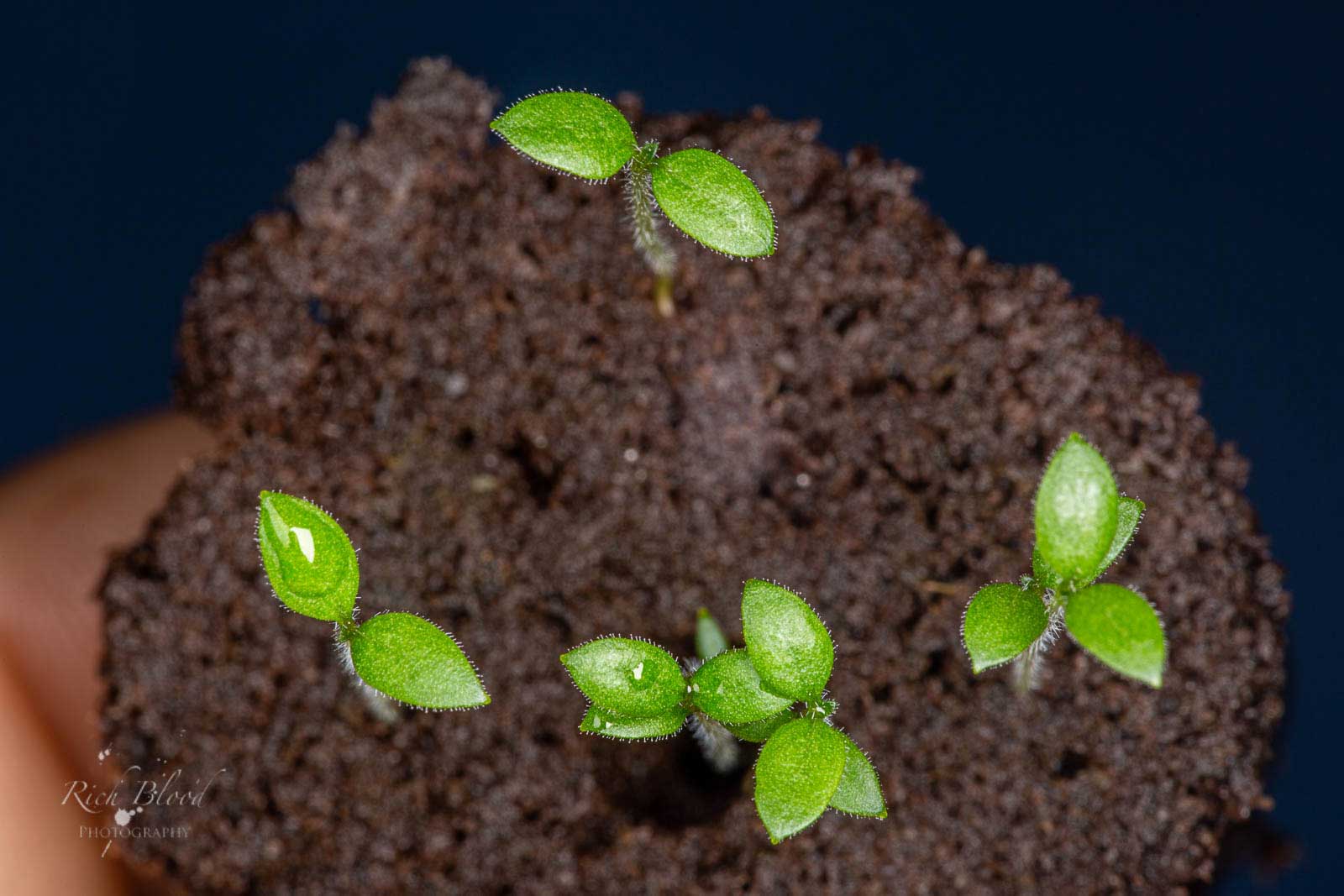
Start indoors 4-6 weeks before the last frost date.
Sow ¼ inch deep in a moist, well-draining mix.
Maintain 70–80°F (21–27°C) soil temperature for steady germination (may take 2–4 weeks).
2. Transplanting & Care
Transplant outdoors or into large containers once frost danger passes.
Provide full sun to partial shade and moderate watering.
Support plants as they mature—the fruit-laden branches can become heavy.
3. Harvesting & Usage
Fruits are ready when they turn fully golden-orange and soften slightly.
Use fresh, cook into sauces, or simmer into syrupy jams and glazes.
Refrigerate harvested fruits to extend shelf life.
Learn & Grow More
– Read the story of my field collection near Cuevas Waterfall, Bermejo, Bolivia (coming soon)
– Wild Solanum diversity in the Andes – upcoming feature on PepperGuru.com