
Pepper Guru Community
The Pepper Guru Community discussion board. For all things pepper related. Join other pepper enthusiasts sharing the same spicy journey as you.


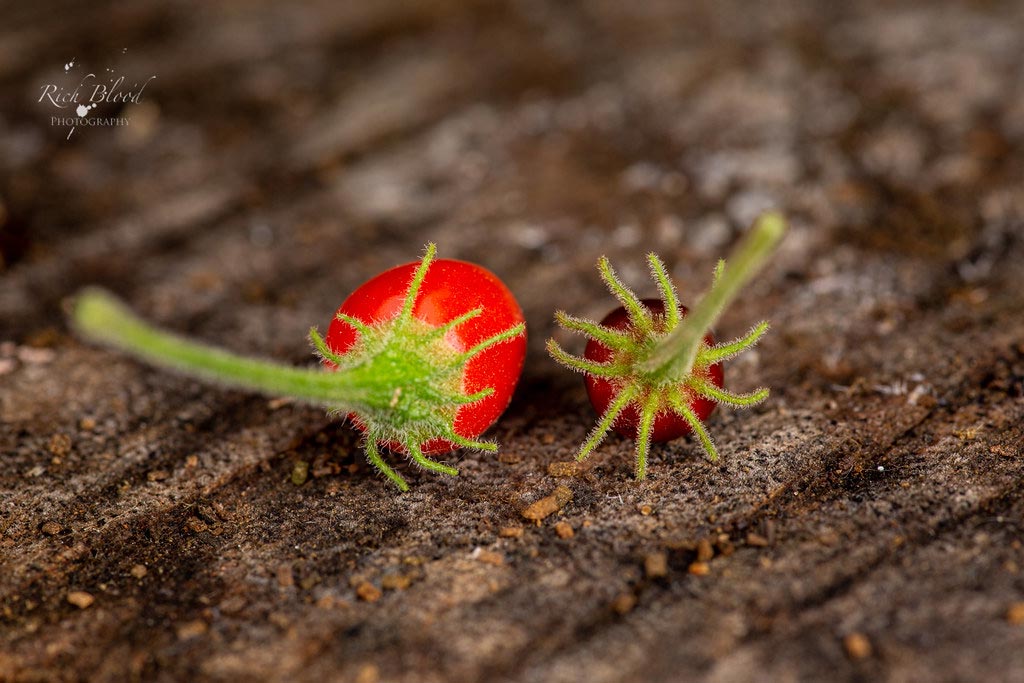
In taxonomy, some mysteries refuse to die. Capsicum arachnoideum was one of them. A name whispered in old papers, a supposed wild Bolivian species with small purple flowers, hairy leaves, and long spider-leg calyx appendages. For decades, it hovered somewhere between myth and record.
In 2020, a year after relocating Capsicum eshbaughii near Samaipata, I returned to Bolivia chasing that same ghost.
The Compost Pile Discovery
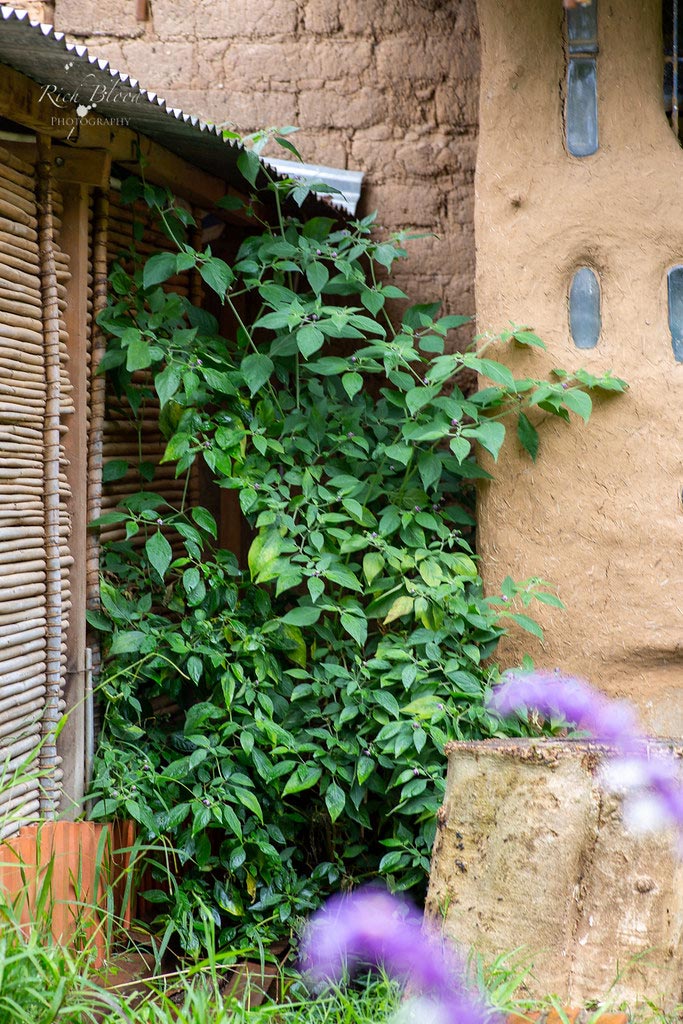
The lead came from Lynda Britton, who mentioned some unusual pepper plants sprouting in her compost pile. I’d stayed at her home (Casa Lynda) the year before and tossed out the flesh of some Locoto peppers, Bolivia’s local name for Capsicum pubescens. The seeds, mixed with kitchen scraps, had germinated.
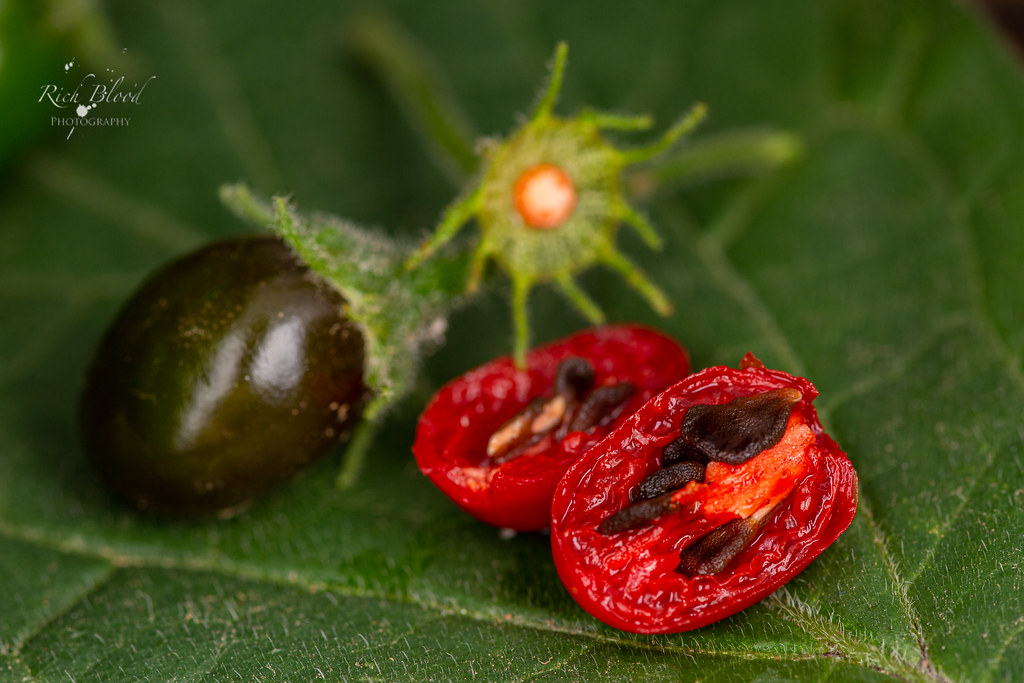
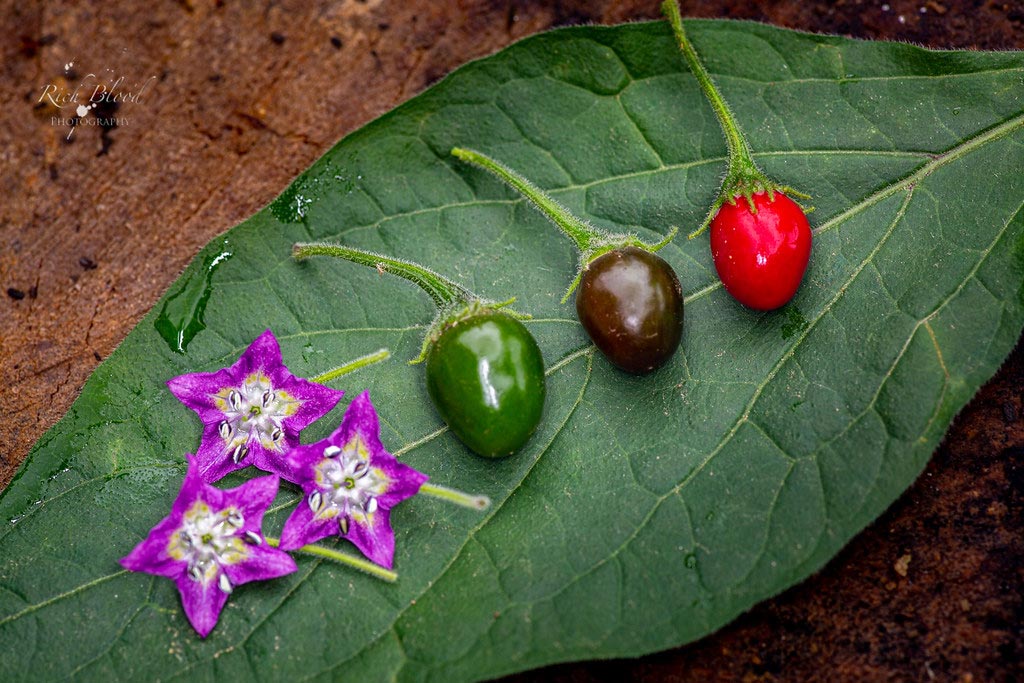
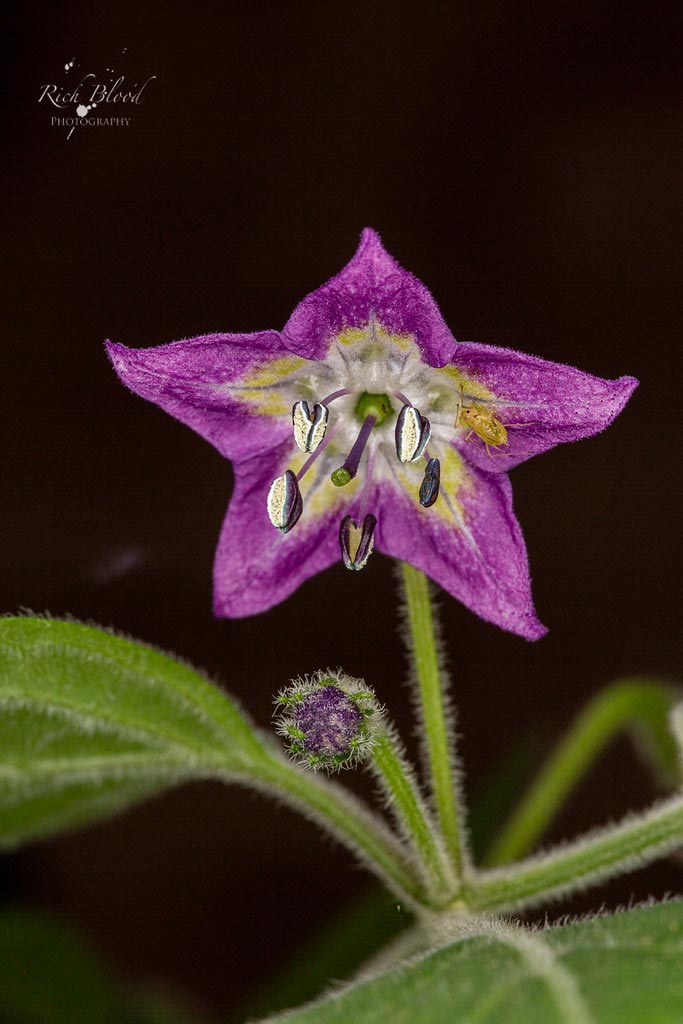
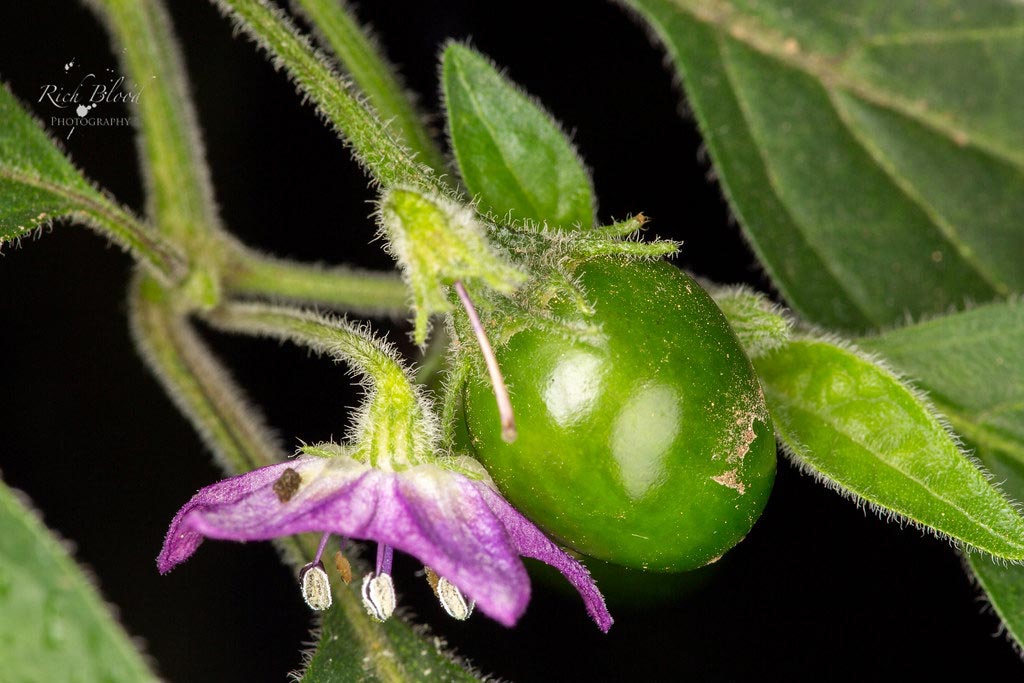
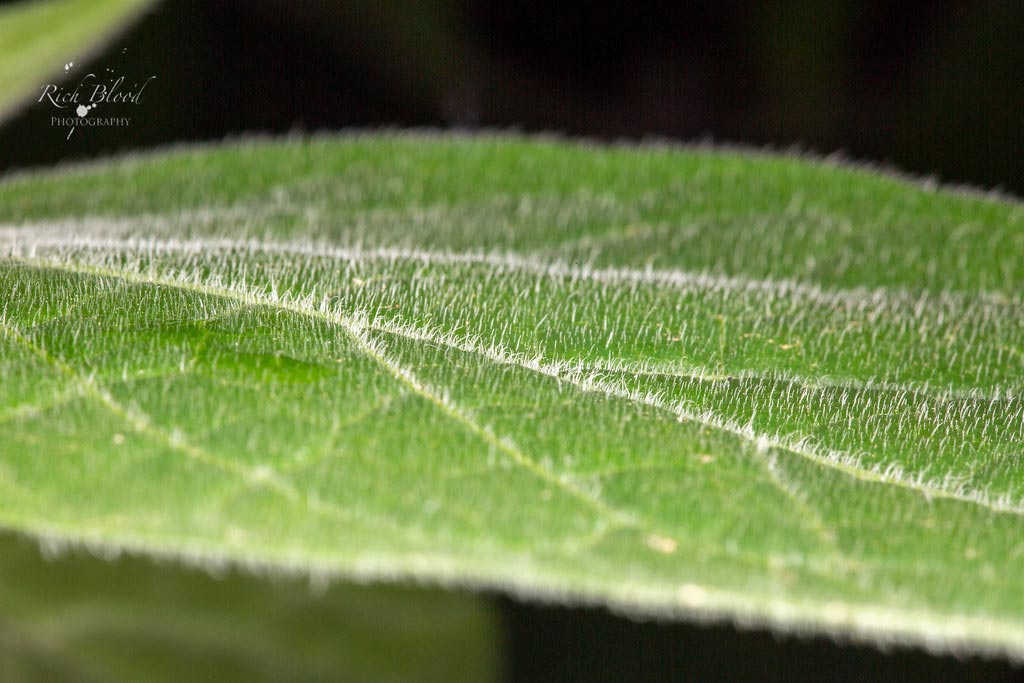
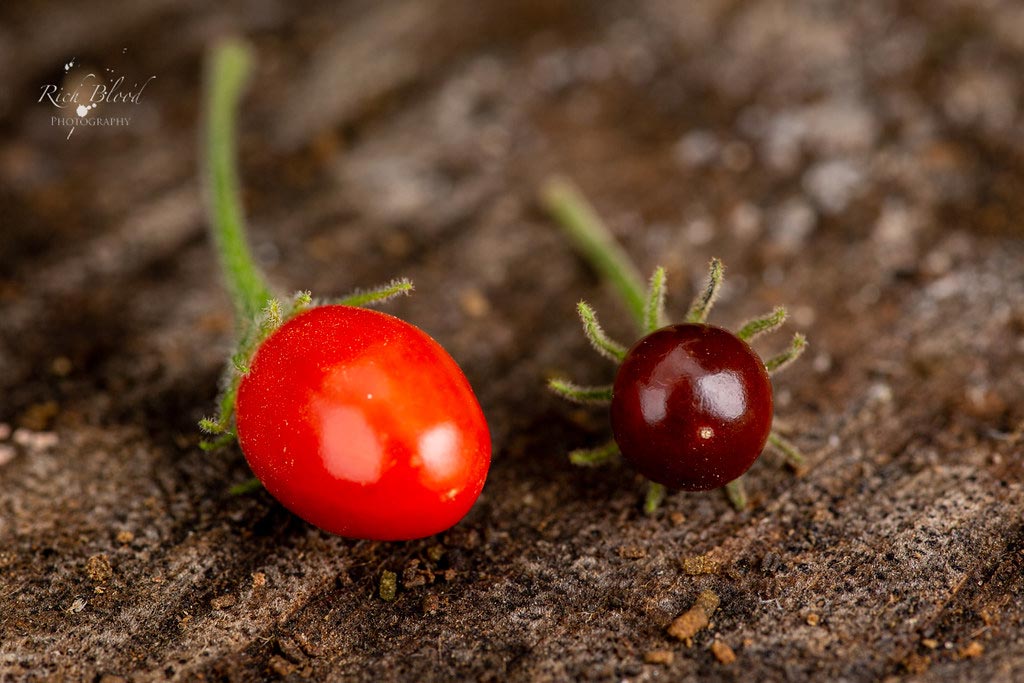
When I saw the plants, I understood the confusion. They looked exactly like what older literature described as Capsicum arachnoideum: compact bushes, dense hair, purple corollas, and that distinctive arachnid calyx. Botanists had speculated for years that it was a rare, isolated subspecies of Capsicum pubescens. I had always wondered if this arachnoideum was the fabled wild progenitor of Capsicum pubescens. But standing there in that compost pile, the truth was obvious. This was a hybrid.
The Real Identity of “Arachnoideum”
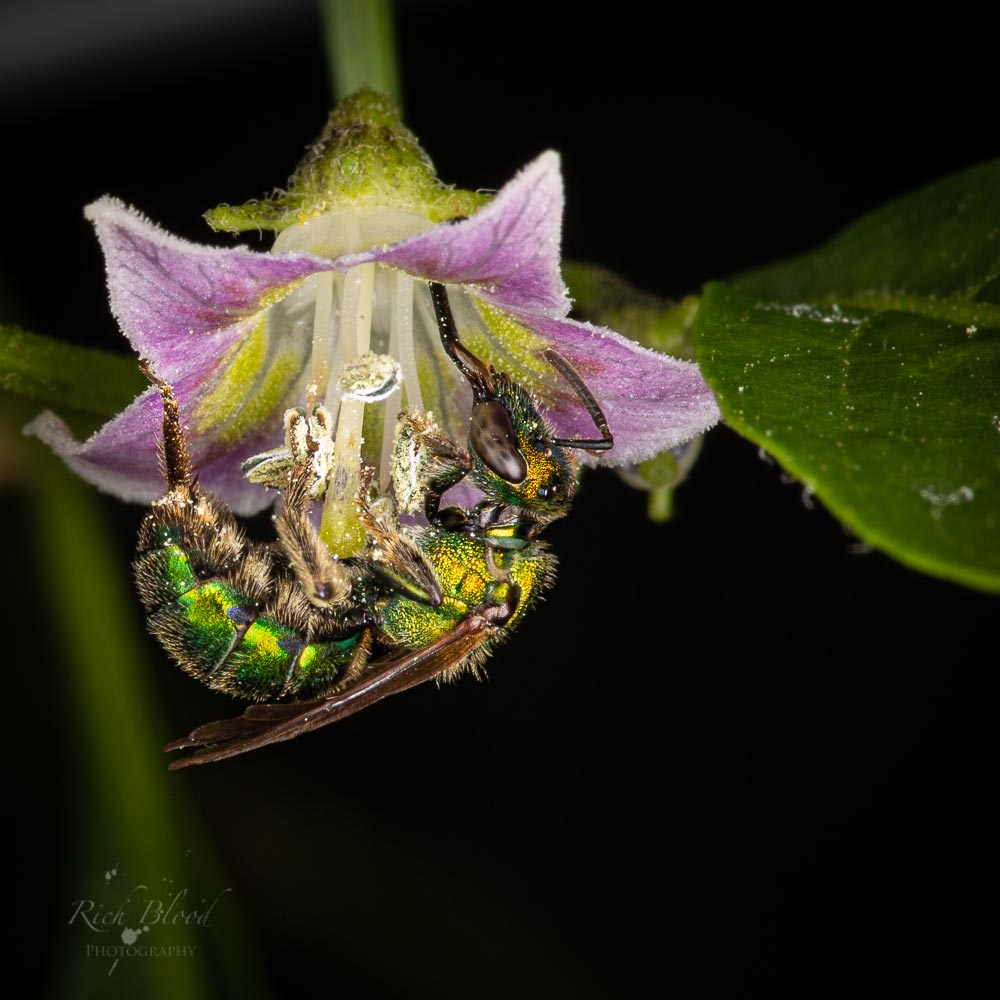
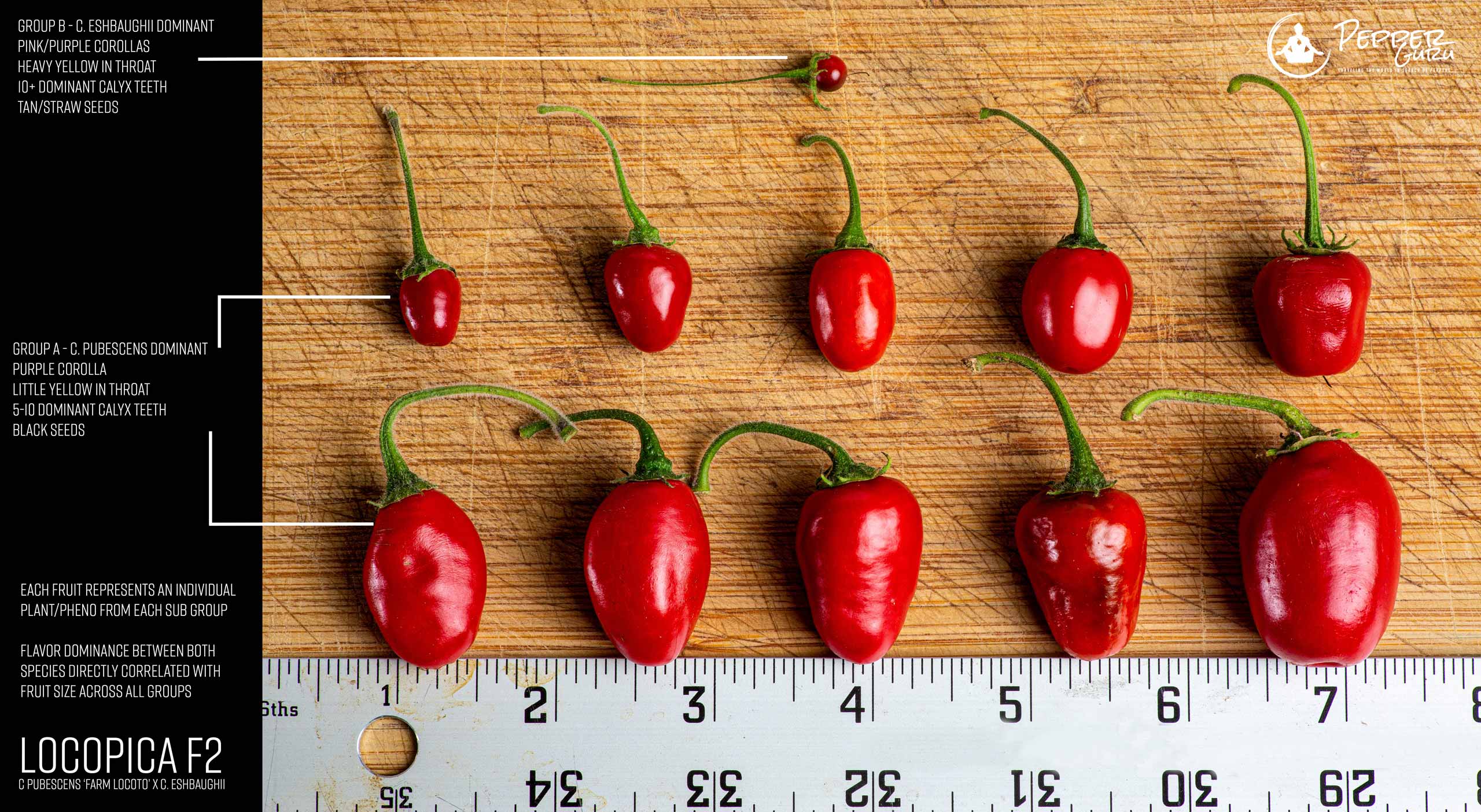
These plants were natural crosses between Capsicum eshbaughii (which I’d found nearby the year before) and Capsicum pubescens, the common Locoto grown in nearly every garden around Samaipata. Small emerald-colored sweat bees, native to the region, were the matchmakers.
The resulting hybrid looked and behaved consistently enough that earlier collectors had mistaken it for a distinct species. In reality, arachnoideum wasn’t some lost relic of evolution. It was the product of two species that still coexist in the same valley.
Once I recognized it, I started noticing the same hybrid all over Samaipata. Any place where Locotos had been planted near wild Ulupicas, hybrids had popped up on their own. The phenomenon wasn’t rare at all.
Hybridization in the Purple Corolla Clade
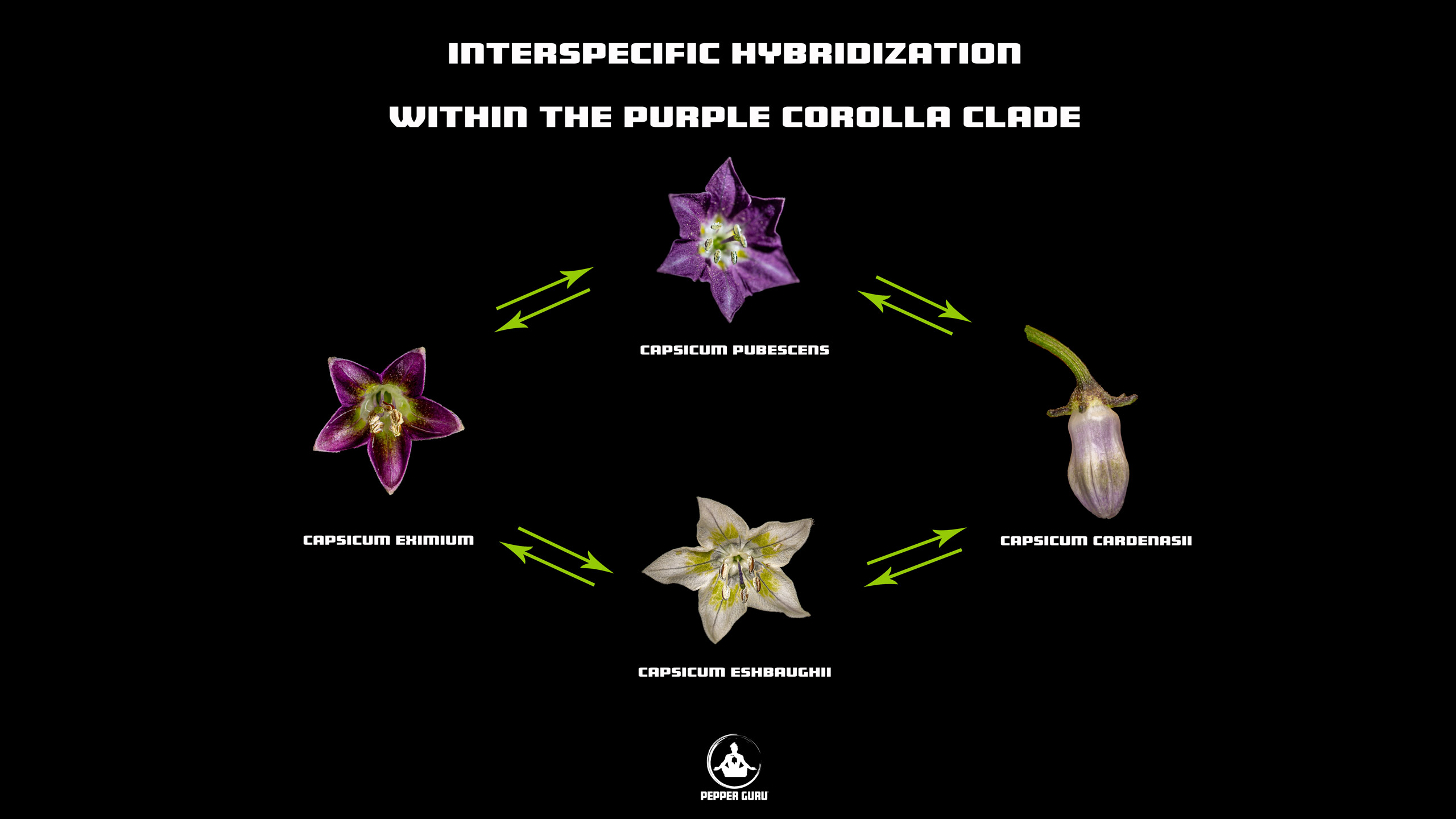
The Bolivian “purple corolla” clade — Capsicum cardenasii, C. eximium, and C. eshbaughii — freely hybridize with C. pubescens. The hybrids are fertile in both directions. The genetic barriers are loose, and pollinators move easily between the two groups.
I documented the F1 hybrid at Casa Lynda, collected seed, and later shared my findings with botanists Gloria Barboza and Nahuel Palambo. They incorporated the evidence into their later presentation (available here), confirming the hybrid origin of what many had long believed to be Capsicum arachnoideum.
Naming It “Locopica”
Peru calls C. pubescens “Rocoto,” and the hybrid name Rocopica (from Roco + pica) has been used for decades to describe crosses between Rocotos and Ulupicas. But in Bolivia, they say Locoto with an “L,” likely from Quechuan influence.
Since these hybrids occur naturally and abundantly in Bolivia, they deserve a Bolivian name. I proposed Locopica, merging Locoto and Ulupica. A simple, logical evolution that gives Bolivia its own rightful identity for this hybrid lineage.
Rethinking the Myth
The story of Capsicum arachnoideum is a reminder that taxonomy is not immune to human error. In this case, the “lost species” wasn’t lost at all. It never existed. It was born again and again, every season, in backyard gardens and compost heaps, through the quiet work of bees.
It’s a humbling lesson: nature doesn’t care about our categories. She crosses lines constantly.
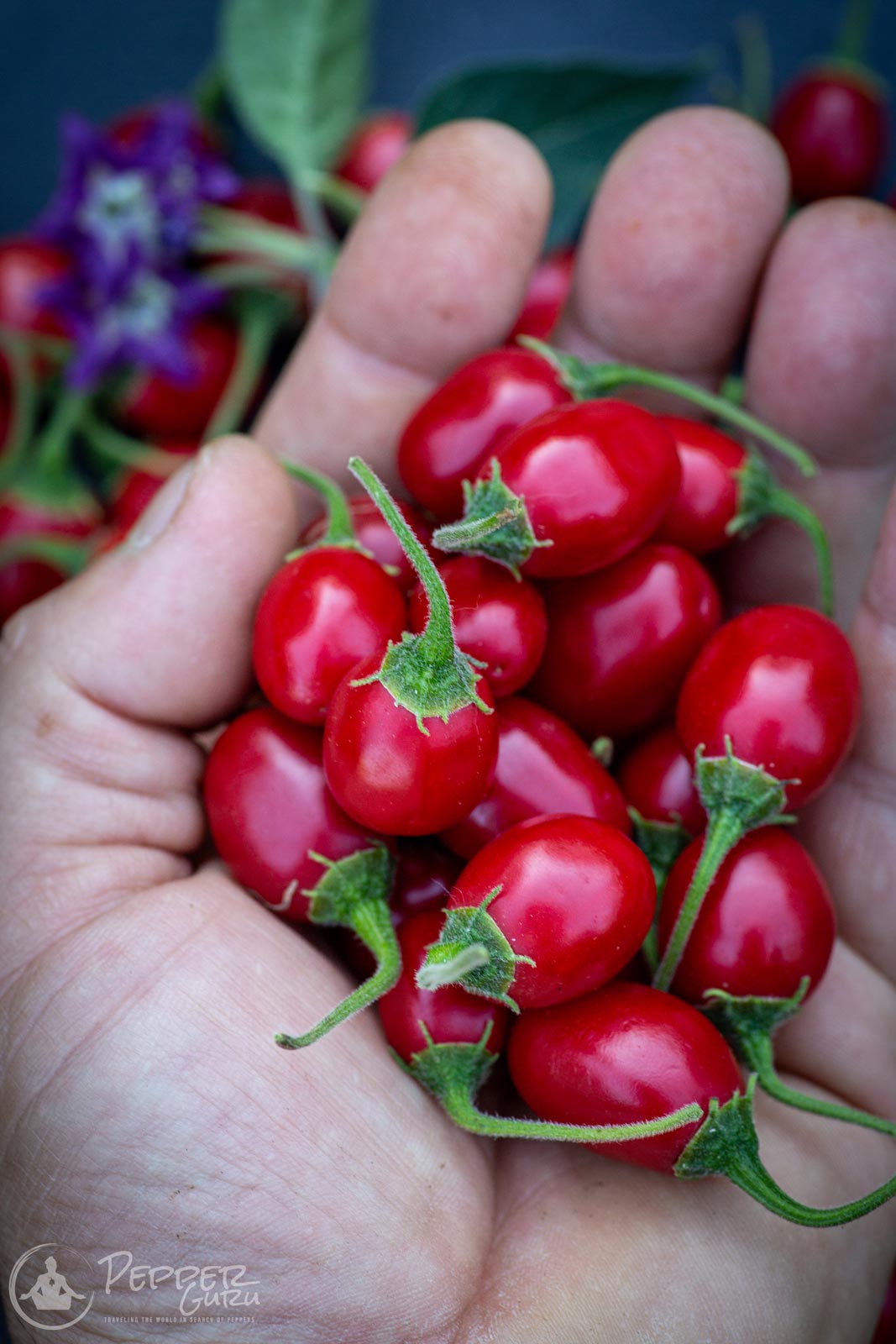
So when we talk about Locopica, we’re not just naming a hybrid. We’re recognizing the natural continuity between species that botanists once tried to separate. The boundary was never real.
Acknowledgments
Special thanks to Gloria Barboza and Nahuel Palambo for verifying my findings, and to Lynda Britton for unknowingly hosting the most important compost pile in Bolivia.
