Description
Erotico Pepper Seeds
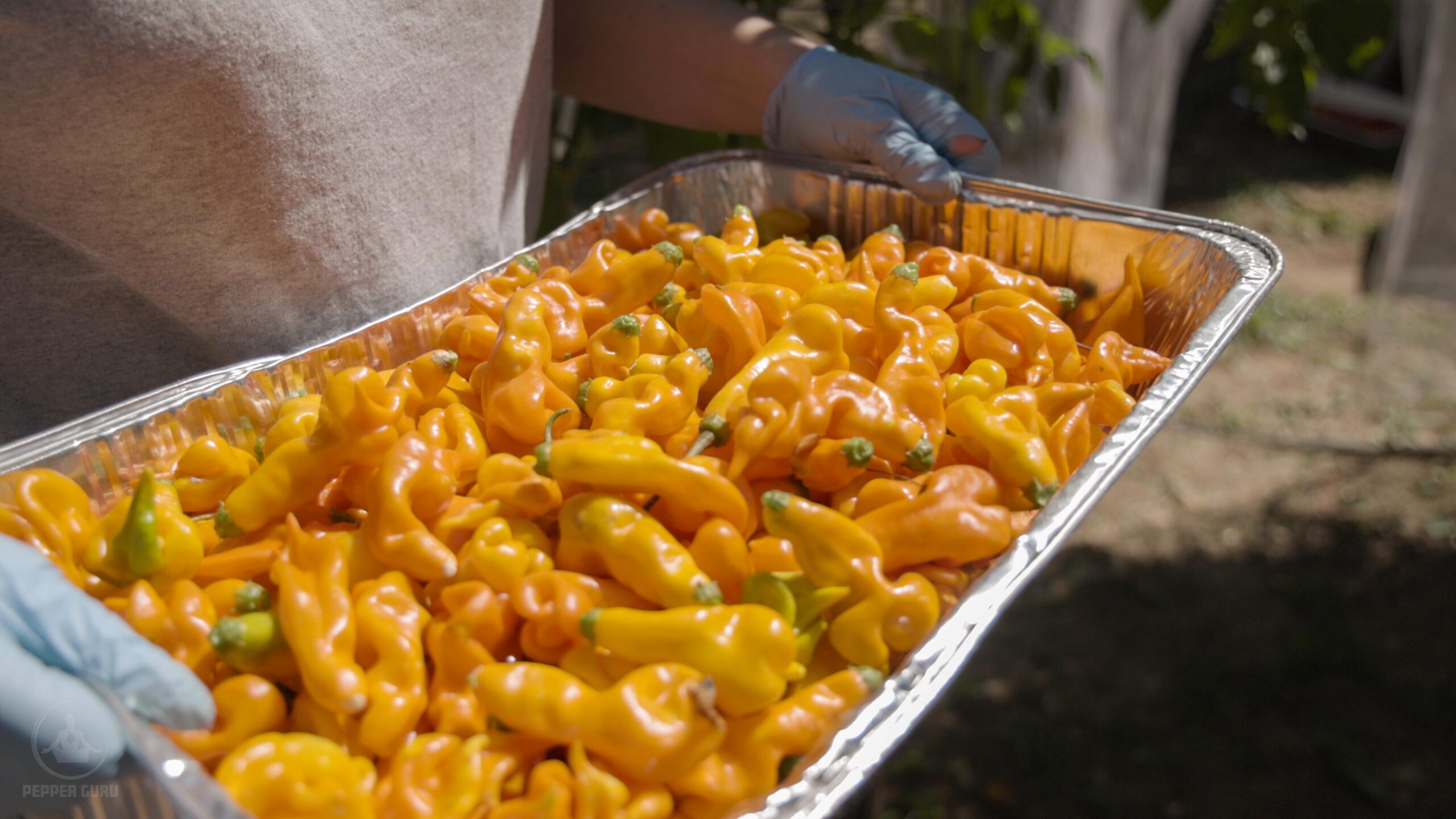
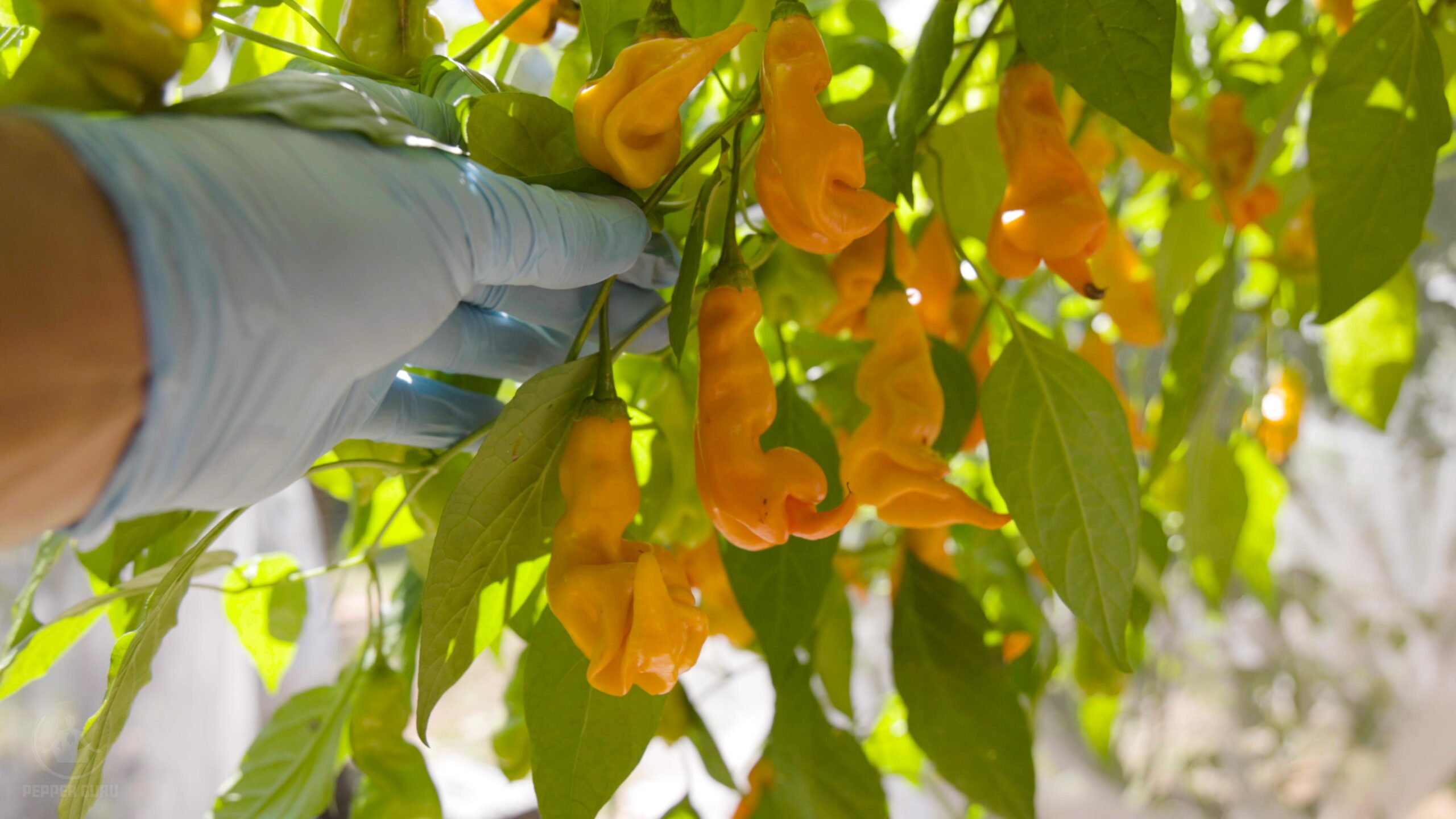
The Erotico pepper (sometimes seen as Erotica or Erotika) is one of the most unusual and conversation-starting peppers you can grow. Said to be discovered by Italian pepper collector Massimo Biagi of the University of Pisa and the Accademia Italiana Del Peperoncino. Its name is no accident, as the pods mature into a distinctly phallic form, often with a balloon-like base and a protruding “tail.”
Though Biagi passed before fully documenting its development, it is thought to have originated as a spontaneous mutation within his extensive collection of over 1,300 pepper varieties. Today, Erotico remains both a collector’s piece and a versatile culinary pepper, balancing novelty with genuine flavor.
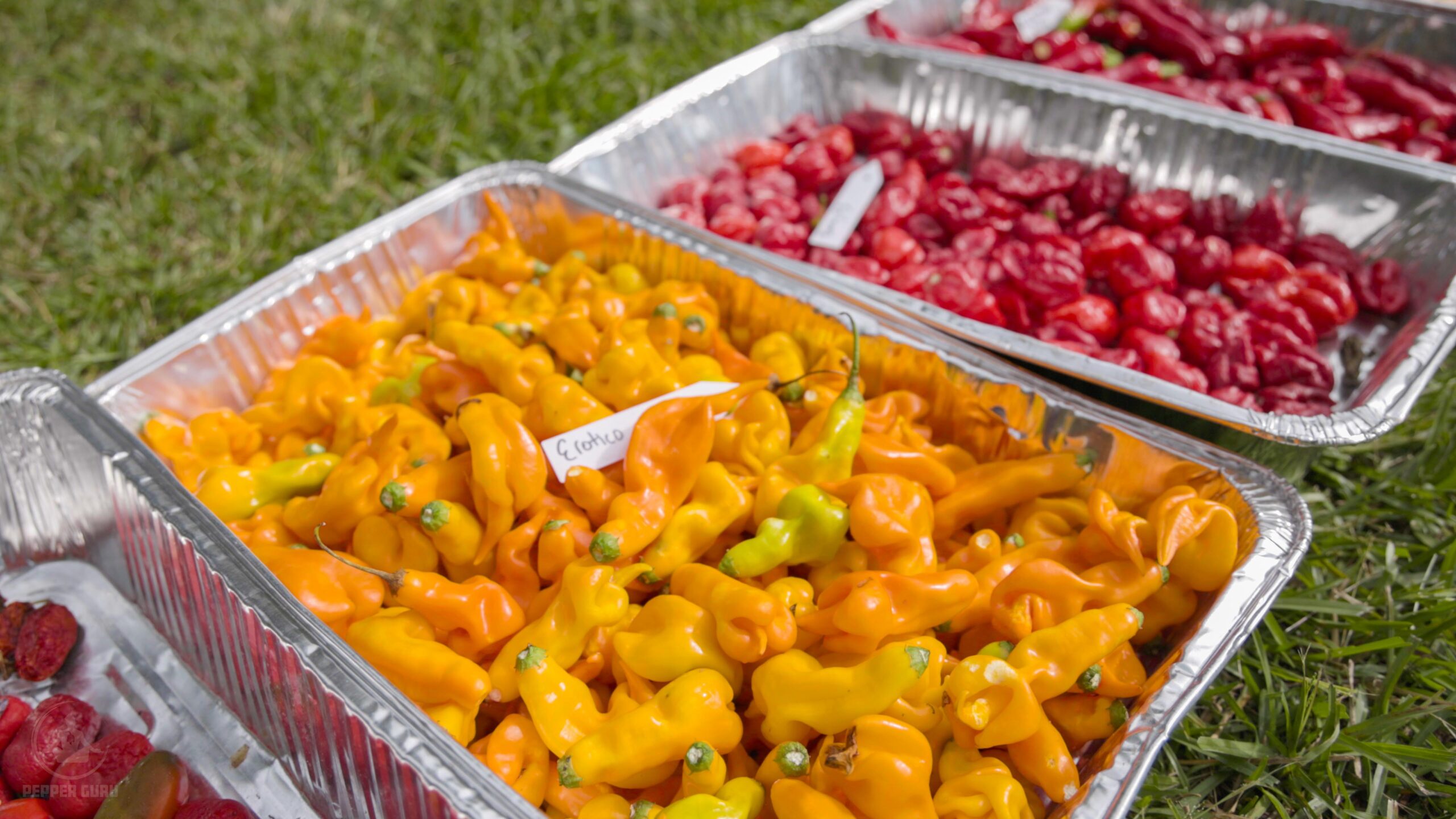
Pods ripen from light green to golden orange, often with turmeric-like tones and occasional corking. They average 7–9 cm long, crisp and juicy, with a medium heat level ranging from jalapeño-like warmth to a mild habanero kick (1,000–8,000 SHU). Flavor is where Erotico shines — sweet, floral, and citrus-tinged, with a candy-like crunch that elevates both raw and cooked dishes.
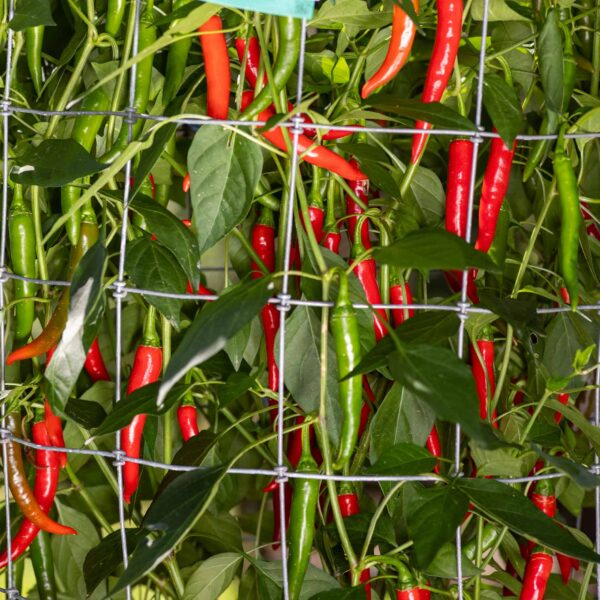
Plants are tall and sprawling, requiring support when heavy with fruit, and they’re remarkably productive. Expect hundreds of pods per plant in a single season, often with 2–3 peppers forming at each node. With moderate care, Erotico can be overwintered in warm climates or grown as a prolific annual elsewhere.
For growers and chefs alike, this is a pepper that brings conversation to the table — beautiful, eccentric, and delicious.
Name: Erotico
Species: Capsicum baccatum
Origin: Italy (Massimo Biagi, University of Pisa)
Growth Habit: Tall, sprawling plants, caging helps!
Fruit: 7–9 cm elongated, bulbous “erotic” pods; green to golden-orange with possible corking.
Heat Level: 1,000–8,000 SHU (medium heat; comparable to jalapeño–mild habanero).
Flavor: Sweet, fruity, floral, with citrus undertones and juicy crispness.
Culinary Uses: Fresh in salads and salsas, pickled, chili jams, spicy oils, powders; pairs especially well with cheeses, seafood, meats, and even desserts.
Climate: Best between 65–95°F, full sun. Overwinter or grow as an annual.
Soil: Well-drained, compost-enriched soil or containers with quality potting mix.
Watering: Steady, moderate moisture. Avoid extremes of drought or saturation.
Unique: One of the most distinctive peppers ever bred — a true conversation starter with outstanding yields.
Cultivation Tips: Start seeds indoors 4-6 weeks before last frost. Germinates in 7–14 days at 84°F. Plants can get tall quickly, so provide support early. Follow the 4 Pepper Growing Fundamentals I share in this video: https://youtu.be/KRBxnUKY8Kk?si=Va5Ye2NH3fT0HrlE
Wilder Recommendations: Learn about the wild origins of peppers in South America here: https://pepperguru.com/capsicum-eshbaughii/